Do people live in Antarctica?
Antarctica has no permanent residents and no indigenous population, but that doesn't mean it's empty. Each summer, up to 5,000 scientists, support staff and expedition guides live and work across the continent's research stations, and more than 100,000 tourists visit by ship. Does anyone live in the Antarctic year-round? Yes: around 1,000 people stay through the winter to keep the stations running through months of darkness.
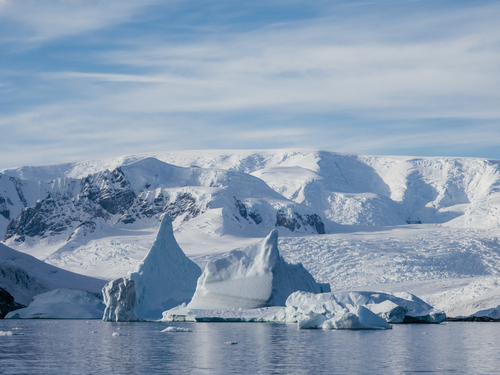
Antarctica is the highest, driest, coldest and windiest continent on Earth. Its remoteness, brutal weather conditions and lack of any land bridge to another continent kept it hidden from humans for 35 million years. It wasn't sighted until 1820, making it the last continent on Earth to be discovered.
So can people live in Antarctica, and if so, who are they? The answer depends on the season, and on who you count as living there in the first place.
Can people live on Antarctica?
Not permanently. There's no legal path to Antarctic citizenship, no property ownership, and no country that can claim sovereignty over the continent. Antarctica is governed collectively under the Antarctic Treaty System, signed by more than 50 nations, which sets it aside as a natural reserve devoted to peace and science.
What Antarctica does have is a large temporary population. People can and do live there for months, or occasionally years, at a stretch, but always as visitors under a national Antarctic program, never as permanent settlers. Everyone who works on the continent keeps citizenship of their home country throughout their stay.
What is the population of Antarctica?
Antarctica's population swings dramatically with the seasons, which is why there's no single answer to how many people live in Antarctica. It depends on the time of year, as the Australian Antarctic Division confirms.
| Season | Approx. population | Why |
|---|---|---|
| Austral summer (Oct–Apr) | 4,000–5,000 | All ~70 stations operational; flights and ship transport possible |
| Austral winter (May–Sep) | ~1,000 | Only about half of stations stay open; sea ice and darkness cut off travel |
| Peak single station (McMurdo, summer) | ~1,000 | The largest of Antarctica's research bases |
| Tourists (2024-25 season) | 118,491 | Nearly all visit during the five-month summer window |
On top of the scientific population, Antarctic tourism has grown substantially over the past decade. According to official figures from the International Association of Antarctica Tour Operators (IAATO), 118,491 people visited Antarctica in the 2024-25 season, a slight dip from a record 122,072 the year before, but still well above 100,000 for the third season running. Around 98% of that tourism happens in the Antarctic Peninsula during summer, arriving by expedition ship rather than staying on the continent itself.

Who lives in Antarctica?
Nobody can call themselves a native Antarctican, because Antarctica isn't a country. The people who spend time there fall into a few distinct groups, each with a different reason for being on the ice.
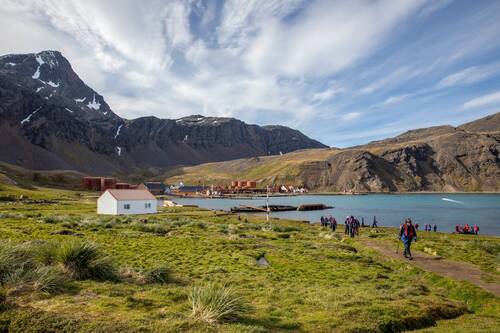
Scientists and researchers. The bulk of Antarctica's population works across roughly 70 international research stations, operated by more than 30 countries through their national Antarctic programs, studying everything from climate change and glaciology to astrophysics, seismology and marine biology. Antarctica's isolation and extreme conditions make it one of the only places on Earth to conduct certain kinds of research at all.
Support staff. Every station needs far more than scientists to function. Cooks, engineers, electricians, doctors, IT technicians, pilots and logistics coordinators typically outnumber the research staff, keeping power, heat, food supply and communications running.
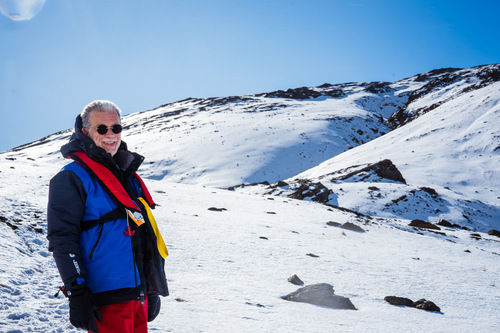
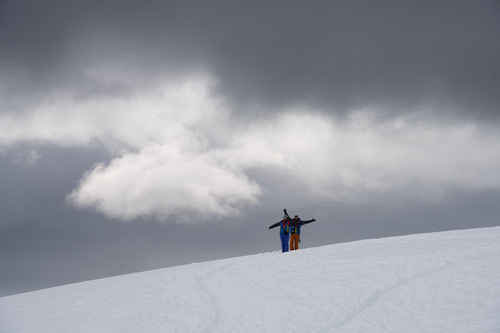
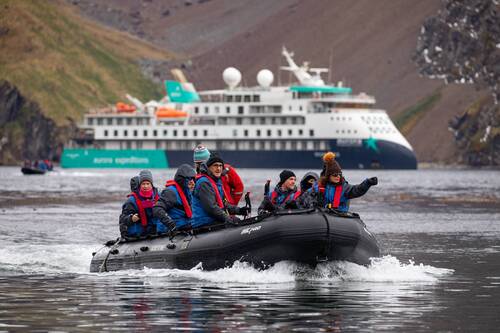
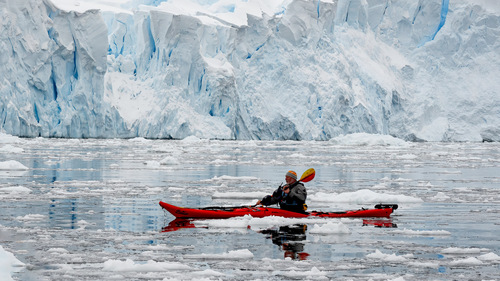
Expedition and mountaineering guides. Some guides spend months at a time in or near Antarctica, leading climbs, ski traverses and deep-field expeditions, or working aboard expedition ships. Guides aren't based at research stations, but many still spend months at a time on the ice. These are the guides who lead Aurora Expeditions' shore landings, Zodiac cruises and polar activities.
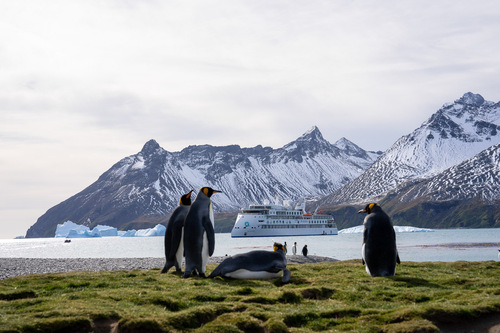
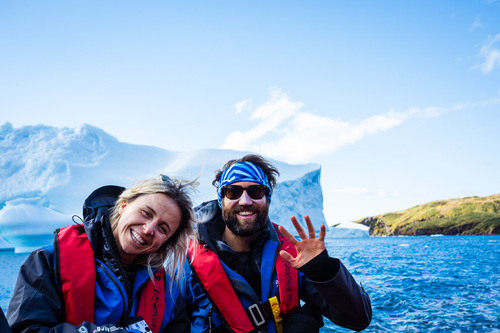
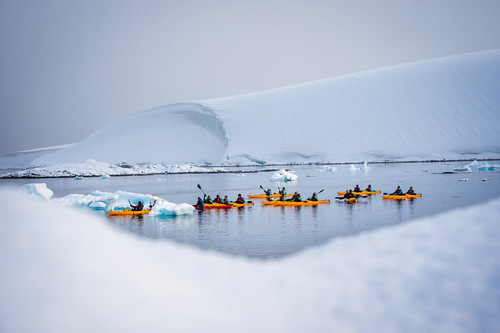
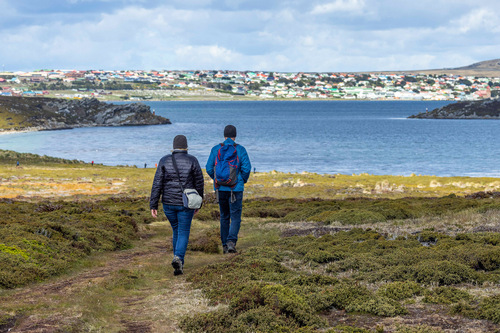
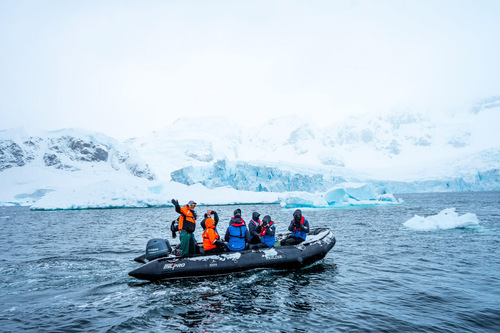
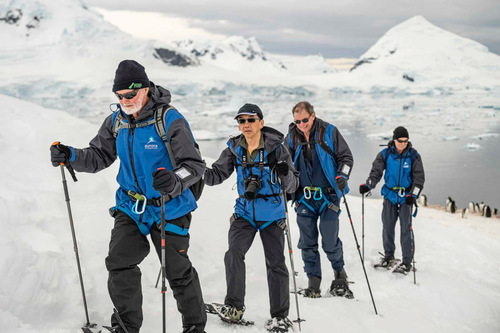
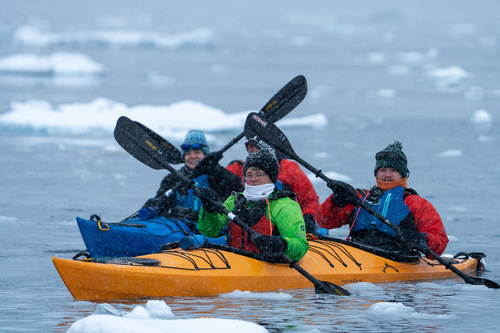
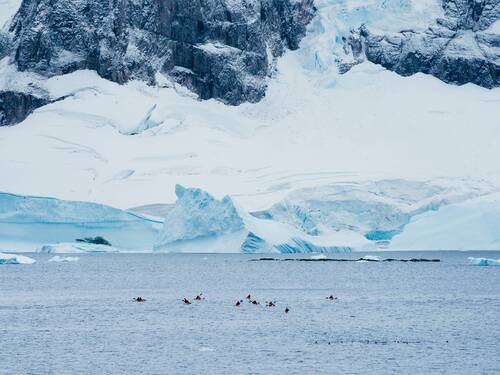
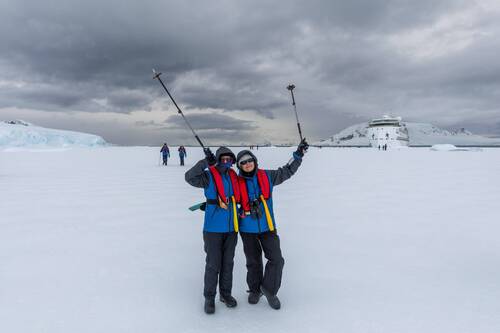
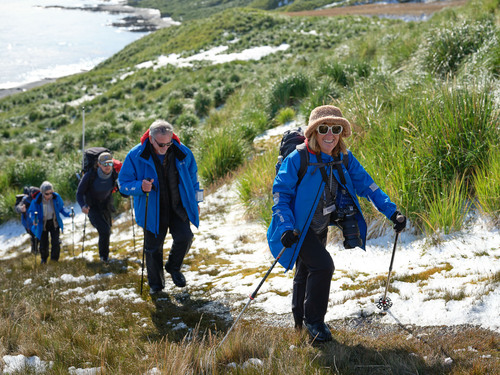
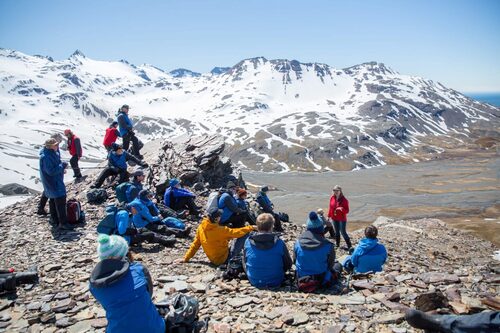
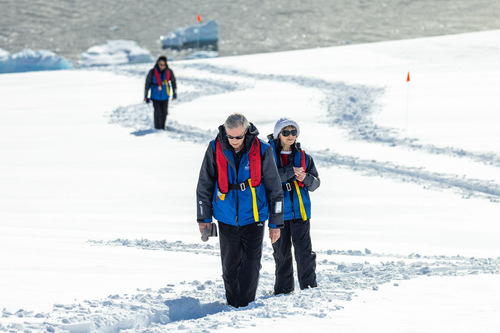
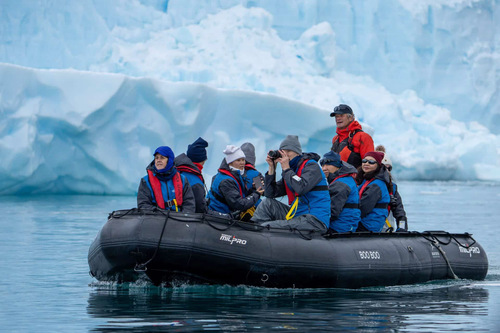
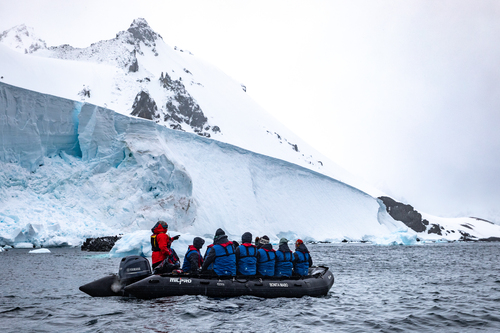
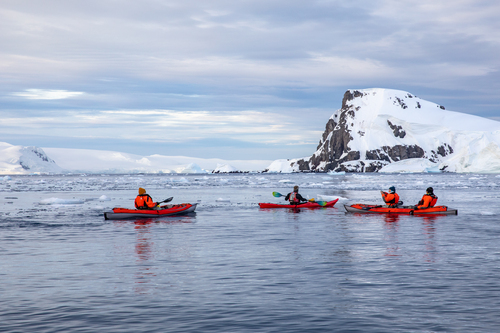
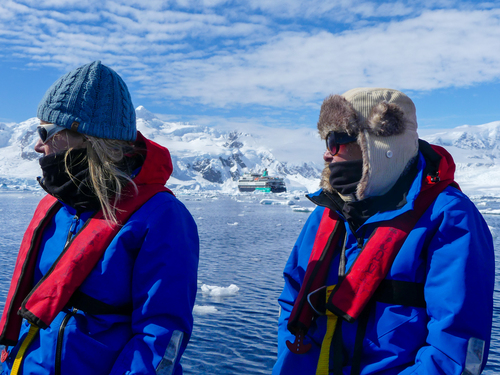
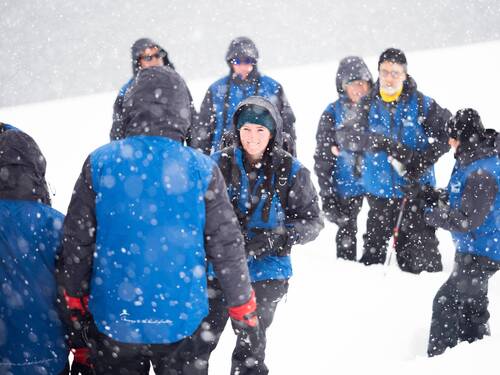
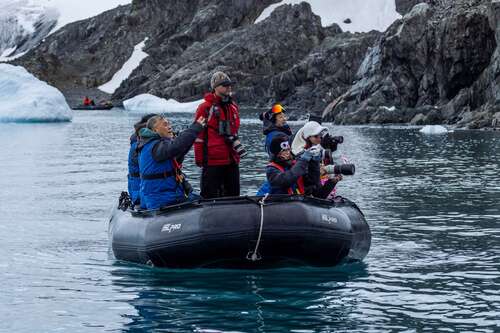
Tourists. Most visitors stay for just hours or days at a time, landing at coastal sites via Zodiac before returning to their ship each night. On an Aurora expedition, this is often the closest most travellers get to meeting Antarctica's temporary residents. Some voyages include visits to active research stations, where scientists and support staff explain their work firsthand.
How are people selected to live and work in Antarctica?
Getting a posting to Antarctica is competitive, and national Antarctic programs such as the Australian Antarctic Division, the US Antarctic Program, or the British Antarctic Survey screen candidates carefully before deployment.
Beyond relevant qualifications, whether that's a research specialty, a trade like plumbing or carpentry, or a medical or culinary background, candidates go through:
- Medical screening, since evacuation from remote stations, especially in winter, can be difficult or impossible
- Psychological assessment, to gauge how someone will cope with isolation, close quarters, extended darkness and limited outside contact
- Fitness testing, particularly for field-based or deep-field roles
- Dental checks, since dental emergencies are notoriously hard to treat on-site
Winter roles are especially selective. Anyone who becomes seriously ill or injured during the winter months may need to wait weeks for evacuation to even become possible.
How long do people stay in Antarctica?
Most scientists and support staff sign on for 3–6 month contracts, timed to the summer research season (roughly October to April). A smaller group, often called "winterovers," commit to longer postings of up to 15 months, covering two summers and the winter in between. Multi-year postings of three summers and two winters used to be more common in Antarctica's early scientific era but are rare today. Most national programs now cap stays at one to two years for staff wellbeing.
Living conditions vary considerably by station. Some house just six people in basic huts. Others, like McMurdo, function more like small towns, with dorm-style accommodation, mess halls, gyms, medical clinics, greenhouses and even a bar. Smaller field camps and deep-field stations are far more austere, with staff often living in tents or portable shelters for weeks at a time.
What is daily life like in Antarctica?
Food. Stations stockpile enough non-perishable food to last through winter, when resupply becomes impossible. Fresh produce (known on-station as "freshies") is a prized delivery during the short window ships and planes can reach the continent, and some larger stations run greenhouses to supplement fresh vegetables between deliveries.
Communication. Satellite internet and phone connections keep most stations in touch with the outside world, though bandwidth is limited and shared among the whole team. Winterovers in particular rely on scheduled calls and email with family, since there's no possibility of a visit for months at a time.
Medical care. Larger stations have a doctor and basic medical facilities on-site, but serious cases usually require evacuation, which is only possible during the summer season. This is a major reason winter postings are so carefully screened.
Emergency procedures. Every station runs regular fire, medical and search-and-rescue drills, since help from outside Antarctica can be days away even in summer, and effectively unreachable in winter. Extreme weather can also mean sudden lockdowns, with staff confined indoors during white-out conditions or high winds.
Getting outside. Even a short walk between buildings requires full thermal layers, insulated boots and a heavy waterproof shell. In poor visibility or high wind, staff aren't permitted outdoors at all.
Station life includes plenty of downtime too, from inter-station darts tournaments and film nights to polar plunges, quad-bike runs across the snow, and, weather permitting, a Zodiac cruise along the coastline.
What else lives in Antarctica?
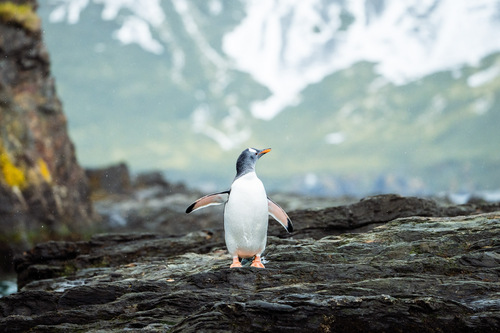
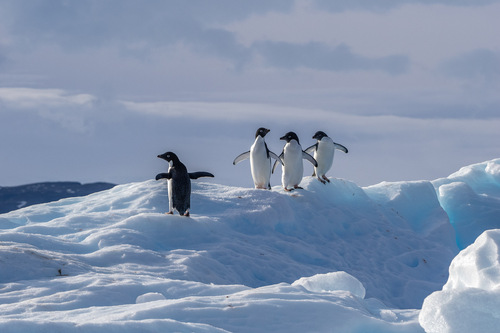
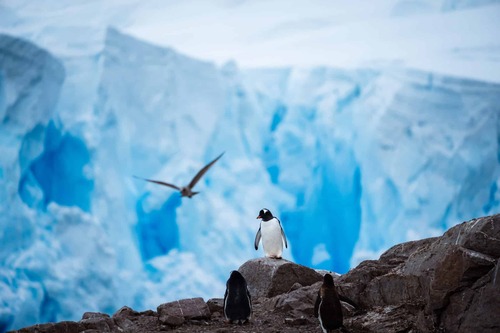
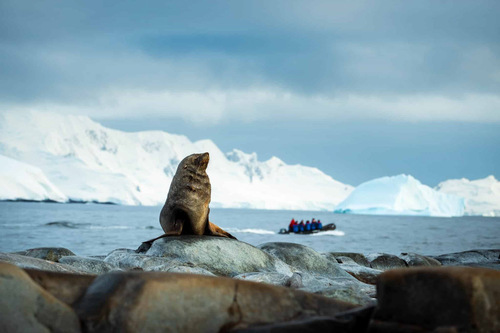
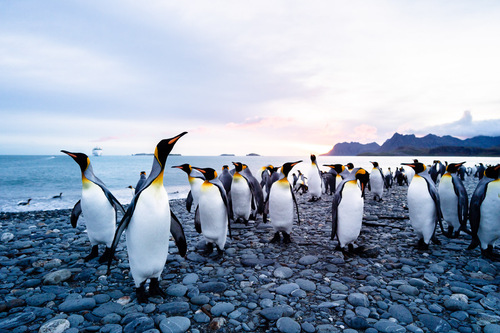
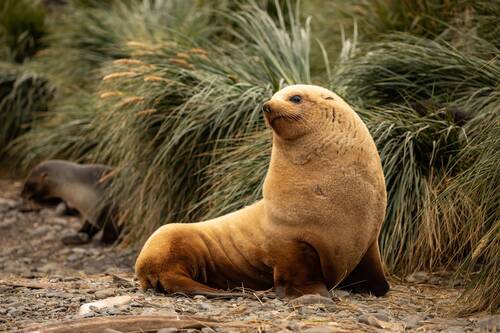
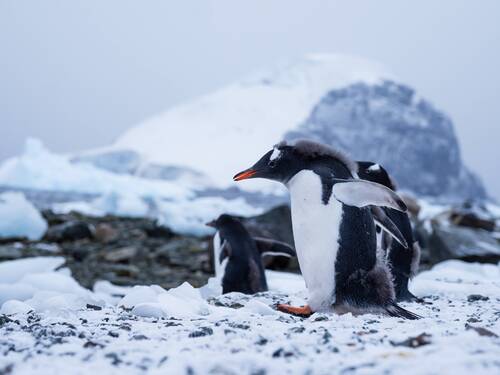
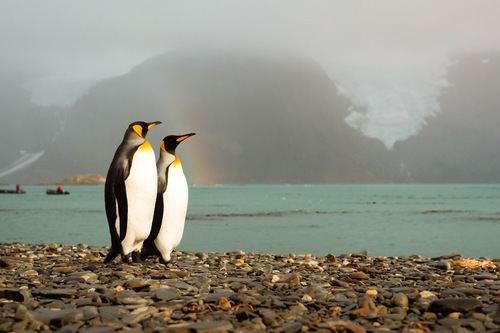
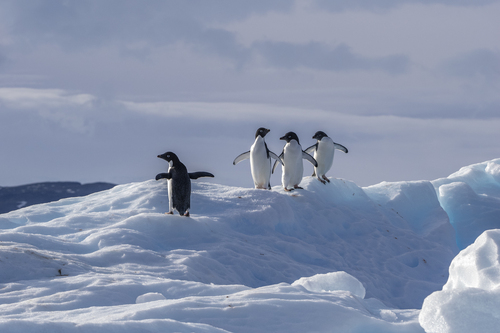
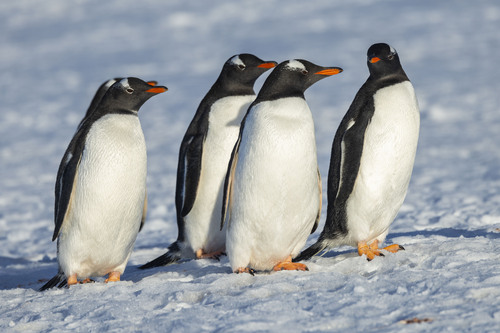
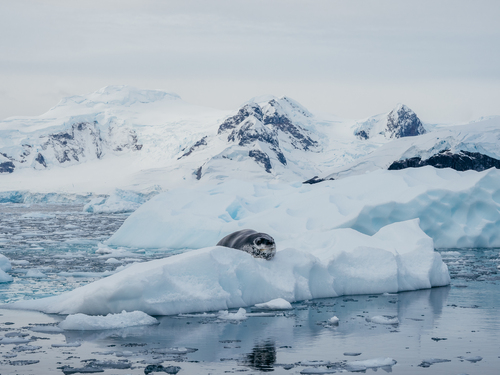
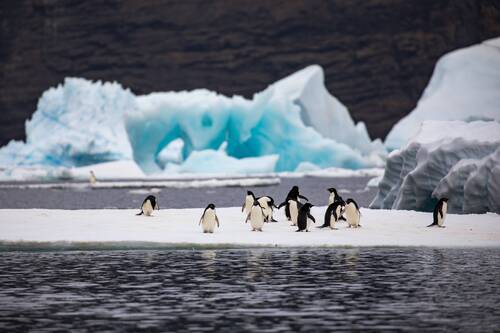
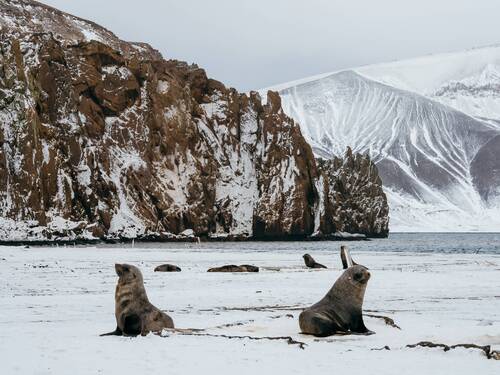
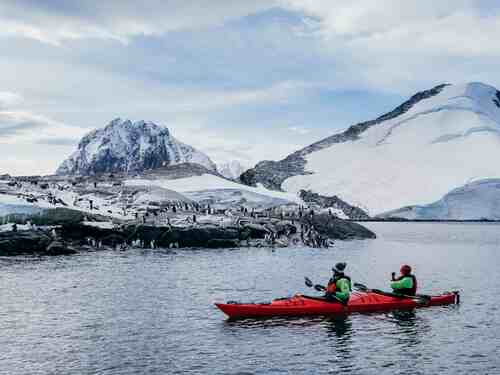
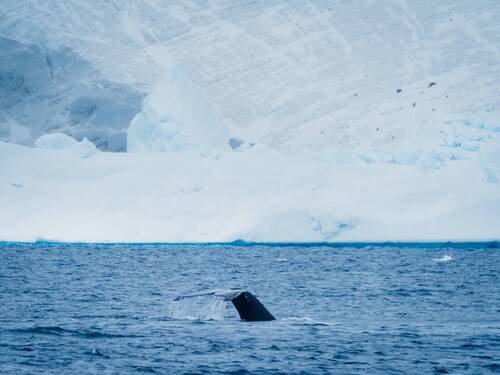
Antarctica's sub-zero temperatures rule out most mammals, but the continent is far from lifeless. Penguins, seals and whales are its best-known residents, but as seabirds and marine mammals, they depend on the Southern Ocean for food rather than the land itself. Travellers on an Antarctic Peninsula voyage will typically see far more wildlife than human residents. This is where most the continent's penguin colonies, seal haul-outs and whale feeding grounds are found.
On land, life belongs to something much smaller: tiny mats of moss, lichen and liverwort, and the microscopic organisms living within them, including springtails, nematodes, midges and the almost indestructible tardigrade. These are among the only species hardy enough to survive Antarctica's extremes of cold and wind year-round.
FAQs: Living in Antarctica
Does Antarctica have an indigenous population?
No. Unlike the Arctic, which has been inhabited for tens of thousands of years, Antarctica has never had an indigenous population. Its isolation behind the Southern Ocean and thick ice sheets meant it wasn't sighted by humans until 1820.
How many research stations are there in Antarctica?
Around 70, run by more than 30 countries under the Antarctic Treaty. They range from tiny six-person outposts to McMurdo Station, which can house over 1,000 people at peak summer.
Does anybody live on Antarctica all year round?
Yes, but only around half of the ~70 stations stay open through winter, staffed by a skeleton crew. The continent's year-round population is roughly 1,000 people, compared to up to 5,000 in summer.
How many tourists visit Antarctica each year?
118,491 people visited in the 2024-25 season, according to IAATO, almost all during the five-month austral summer, and almost entirely via the Antarctic Peninsula.
Spirit of Antarctica
Antarctic Explorer