
Oceans are the life-support system of our planet. Covering more than 70% of Earth's surface, they regulate our climate, produce more than half of the world's oxygen, feed billions of people, and underpin the global economy. Yet despite being so fundamental to life as we know it, our oceans face mounting threats: pollution, overfishing, and the accelerating effects of climate change.
That's where Mission Blue comes in. Led by legendary marine scientist Dr. Sylvia Earle — the namesake of our purpose-built expedition ship, the Sylvia Earle — Mission Blue is a global movement dedicated to exploring and protecting the health of our oceans. Its Hope Spots initiative identifies and champions critical marine areas around the world, raising awareness and support for conservation and sustainable practices. Today, the Mission Blue Hope Spots network spans more than 169 sites across 115+ countries, protecting over 57 million square kilometres of our precious oceans.
At Aurora Expeditions, we are proud to visit a number of these Hope Spots across the polar regions and beyond. By bringing expeditioners to these places, offering expert-led lectures, and inviting participation in our Citizen Science Program, we aim to create lifelong ambassadors for the ocean and the wild places it supports.
Read on to discover seven Hope Spots we visit, why each one matters, and which Aurora expedition will take you there.
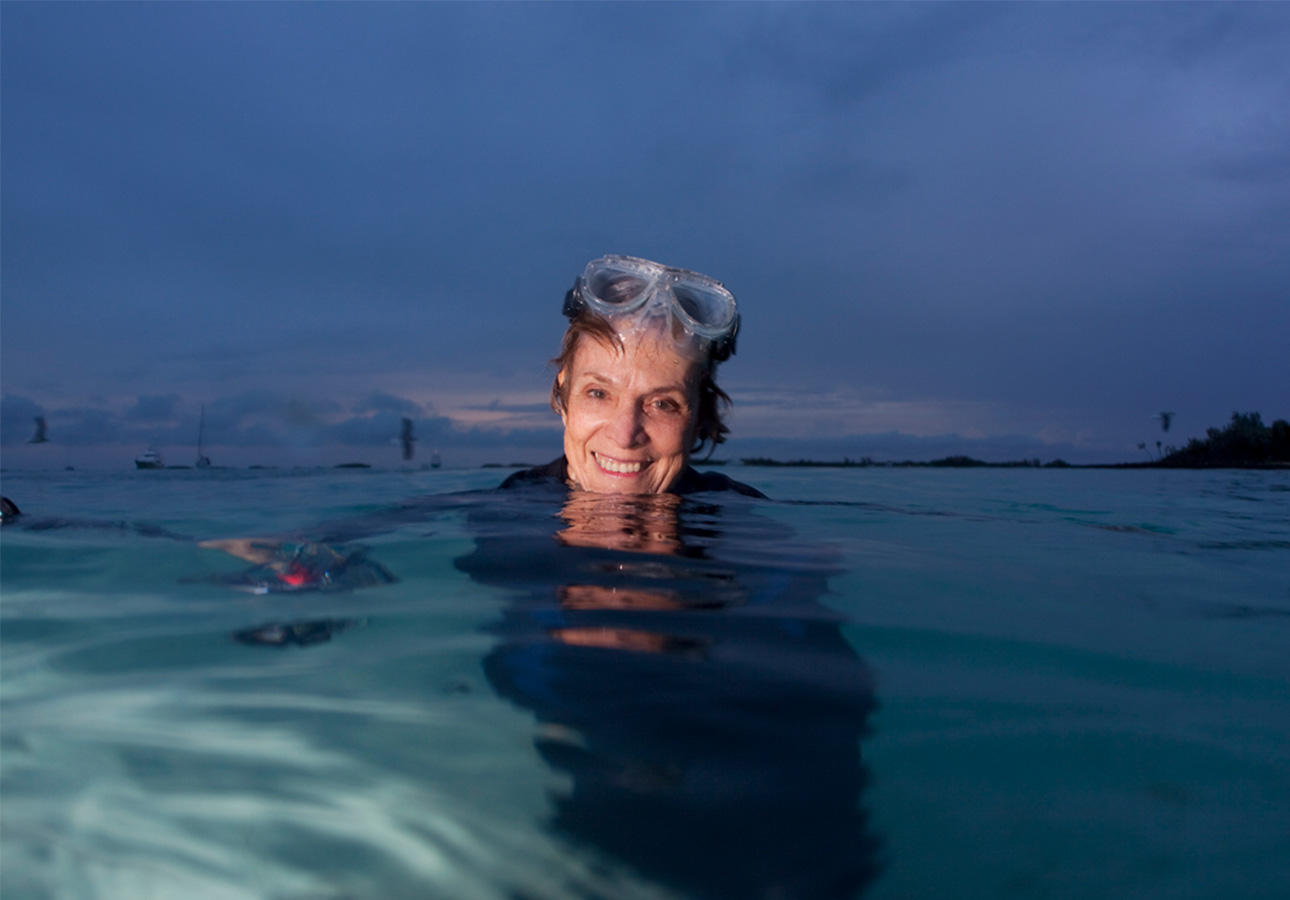
But first, meet our Hero for the Planet
Dr. Sylvia Earle is a legendary marine biologist, oceanographer, explorer, author and lecturer with experience as a field research scientist, government official and director for several corporate and non-profit organisations.
She was the first woman to serve as chief scientist of the U.S. National Oceanic and Atmospheric Administration, and currently serves as President and Chair of Mission Blue. A National Geographic Society Explorer in Residence, she has been dubbed "Her Deepness" by the New Yorker and the New York Times, named a "Living Legend" by the Library of Congress, and was the first person ever to be named "Hero for the Planet" by Time magazine in 1998. She is also a founding member of Ocean Elders, a group of global leaders united by their commitment to ocean protection.
1. Svalbard Archipelago Hope Spot
Perched in the Arctic Ocean roughly halfway between mainland Norway and the North Pole, the Svalbard Archipelago is a breathtaking wilderness teeming with life above and below the waterline. Its rich cold waters attract vast numbers of seabirds and marine mammals each summer, from polar bears and walruses to beluga whales and thousands of nesting seabirds.
But Svalbard is also on the frontline of the climate crisis. In the summer of 2024, the archipelago experienced a record-breaking six-week heatwave that caused the largest annual glacial ice loss ever recorded: around 1% of its total ice mass, or over 60 billion tonnes. NOAA's 2025 Arctic Report Card confirmed that glaciers in Arctic Scandinavia and Svalbard experienced the largest annual net loss of ice on record. Scientists warn that extreme melt events like these will become increasingly common by the end of the century, making conservation and awareness here more urgent than ever.
Our Jewels of the Arctic expedition brings you to Svalbard with an Expedition Team of Naturalists, Geologists and Historians whose expertise turns every wildlife encounter and ice formation into a deeper understanding of what this landscape is facing.
2. Northwest Passage Hope Spot
The iconic Arctic route connecting the Atlantic Ocean to the Pacific Ocean has gained attention in recent years because of rapidly melting sea ice. Increased access to this passage, which early explorers struggled to forge a path through, has far-reaching implications. Mission Blue's designation of the Northwest Passage as a Hope Spot aims to promote responsible navigation, management and tourism in this fragile ecosystem.
Where early explorers saw conquest, we seek understanding. On our Northwest Passage expedition, insights from our expert team and from Indigenous communities who have stewarded this region for millennia give context to both its history and its future.
3. Chilean Fjords & Islands Hope Spot
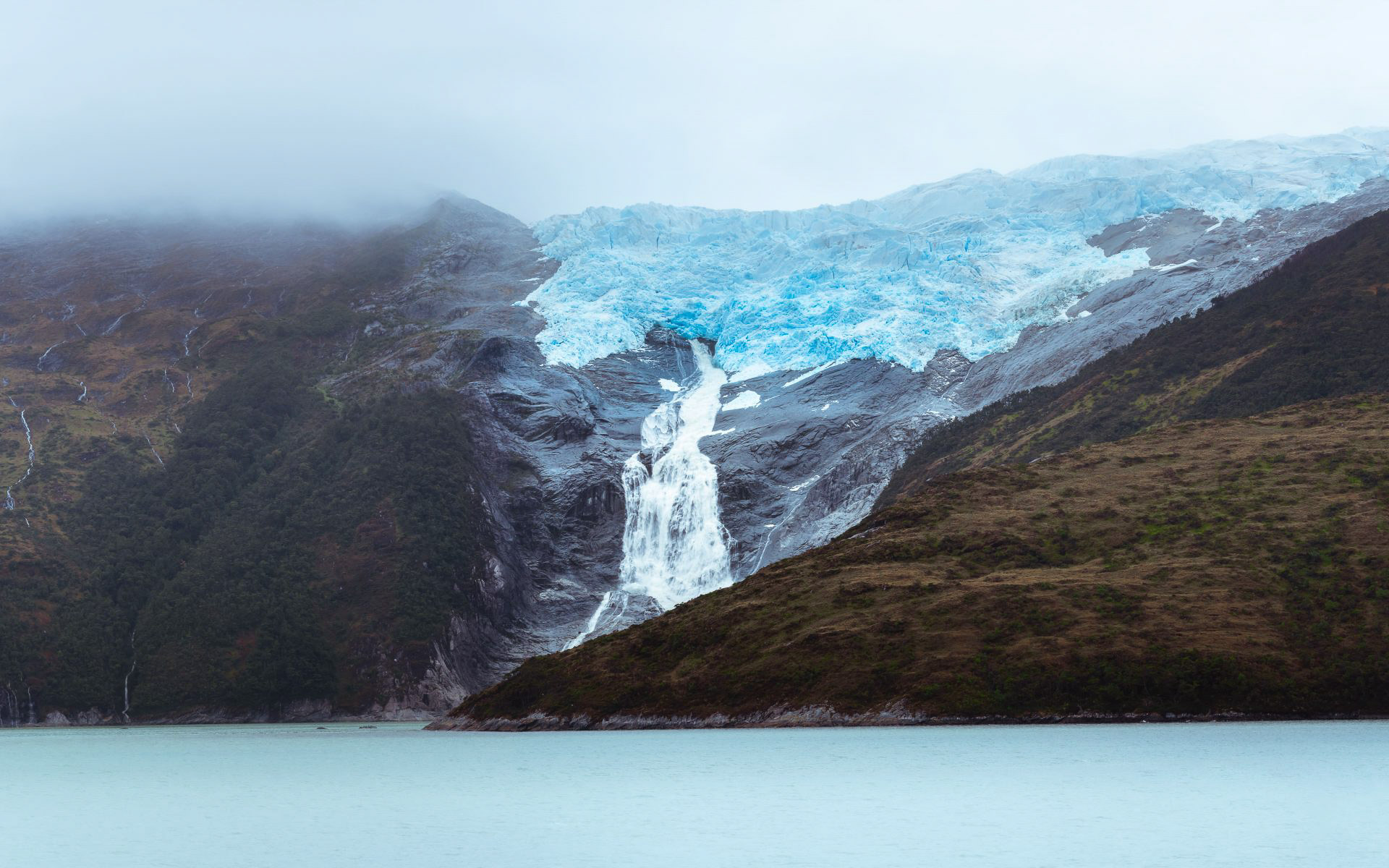
The Chilean Fjords and Islands are a labyrinth of fjords, channels and islands along Chile’s southern coast. The wild and pristine landscapes here serve as a vital feeding and breeding grounds for countless marine species, from whales, dolphins and seals to diverse coral and invertebrates on the seafloor. Significantly, several species are unique to the area.
The biggest threats to marine life here are industrialisation, overfishing and damage from bottom trawling. However, the Chilean government has been actively working to establish a network of Marine Protected Areas (MPAs) throughout the region, a testament to what sustained public and political pressure can achieve.
Explore the fjords and coast of southern Chile by sailing along the legendary Beagle Channel and enjoy the splendid scenery of fjords and channels flanked by majestic mountains on our Patagonia & Chilean Fjords expedition.
4. Patagonian Shelf Hope Spot
One of the widest and most productive continental shelves on Earth, the Patagonian Shelf stretches along Argentina's southern coast and encompasses the Falkland Islands (Islas Malvinas). The collision of warm and cold wind-driven currents here creates a remarkably rich marine system that supports penguins, seals, whales, expansive kelp forests, and 16 endemic bird species, including the southern rockhopper penguin.
Threats from overfishing, plastic pollution and climate change continue to pressure this ecosystem. On a positive note, Argentina has significantly expanded its marine protections in recent years. The creation of the Yaganes and Namuncurá/Burdwood Bank II Marine Protected Areas has effectively tripled the nation's protected ocean territory.
Discover the fascinating history of the Falklands~Malvinas and be awed by the diverse wildlife on display on our Falklands, South Georgia & Antarctic Peninsula expedition.
5. Golfo Dulce Hope Spot
Costa Rica packs extraordinary biodiversity into a relatively small landmass, and Golfo Dulce is one of its most remarkable treasures. This rare tropical fjord along the Pacific coast shelters warm, calm waters and pristine mangrove forests that are home to humpback whales, sea turtles, and a staggering variety of reef fish. The gulf also serves as a critical nursery for the critically endangered scalloped hammerhead shark.
Mission Blue's recognition of Golfo Dulce as a Hope Spot underscores the need to protect this haven from the twin pressures of unregulated tourism and industrial fishing, and to champion the sustainable practices that allow both people and nature to thrive here.
Explore above and below the waterline on our Costa Rica & Panama Canal discovery voyage. Snorkel or dive the reefs, take to Zodiacs and join guided walks to experience the extraordinary wildlife at every turn.
6. Coiba and Cordillera de Coiba Hope Spot
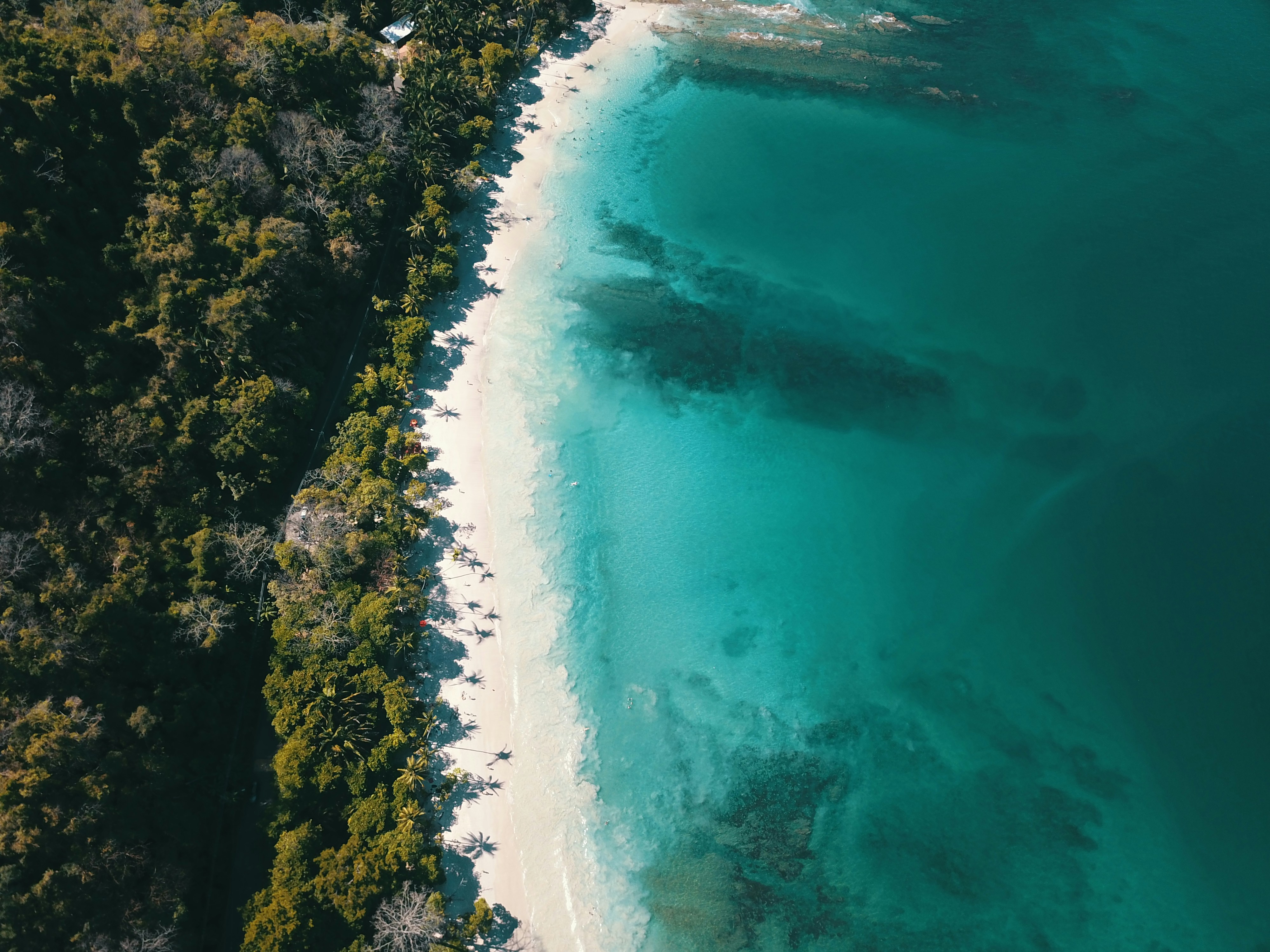
The Coiba National Park and surrounding Cordillera de Coiba lie off the coast of Panama. This unique region is a UNESCO World Heritage site and supports an astonishing amount of marine life, including the second-largest coral reef system on the American Pacific coast, orcas, hammerhead sharks, whale sharks and humpback whales. It is also a nursery for fish and other sea creatures that are a source of food for those further up the food chain.
In June 2021, Panama made history by tripling the size of the Cordillera de Coiba MPA, expanding it from around 17,000 to nearly 68,000 square kilometres. The move made Panama one of the first countries in the world to formally achieve the global 30x30 target of protecting at least 30% of its waters. More recently, park rangers have been equipped with advanced marine technology and law enforcement training to actively combat illegal fishing within the protected zone.
Our Costa Rica & Panama Canal discovery voyage puts you in the water among the reefs that Panama has fought to protect. Snorkel or dive alongside the reef species that thrive in this ecosystem, then continue your exploration by Zodiac and on foot through the surrounding rainforest and coastline.
7. Argyll Coast and Islands Hope Spot
Scotland's Argyll Coast, along the rugged western seaboard, is a landscape of striking beauty and surprising ecological richness. Its mosaic of habitats, ranging from dense kelp forests and seagrass meadows to sea caves and rocky shores, supports seals, otters, dolphins, a wealth of seabirds and a diverse array of fish species.
What makes the Argyll Coast Hope Spot particularly significant in the fight against climate change is what lies on land as much as in the sea. The region's ancient Atlantic rainforests and vast peatlands are powerful carbon stores, making their protection directly relevant to global efforts to limit warming. Conserving this Hope Spot is both a local and a planetary imperative.
Discover Scotland on our Wild Scotland discovery voyage. Cruise beneath towering sea cliffs by Zodiac, explore wave-carved caves, and take in the extraordinary geology and wildlife of this amazing landscape.
Protecting the World's Wild Places
Aurora Expeditions has been committed to responsible, purposeful travel since our founding, and we are proud to be a Certified B Corporation™.
We believe that travel, done right, can be a force for conservation. By bringing people to the world's most extraordinary wild places and equipping them with the knowledge and connection to care about what they've seen, we hope to grow a global community of ambassadors for the planet. Our expeditions don't just minimise harm, they actively contribute to the science, awareness and advocacy these places need.
The ocean supports all life on Earth. Protecting it is not optional.


