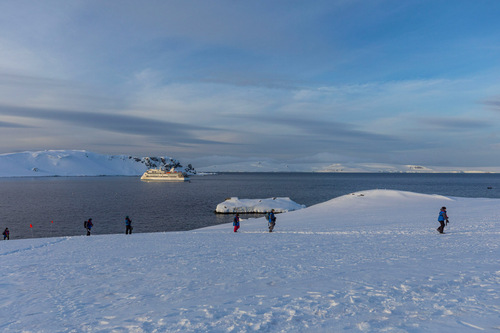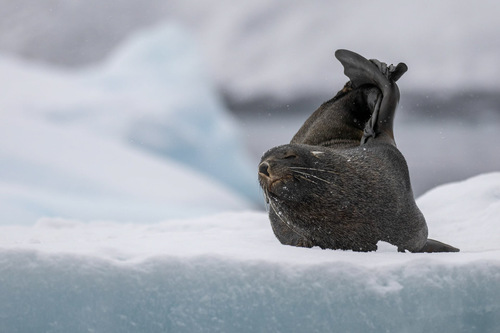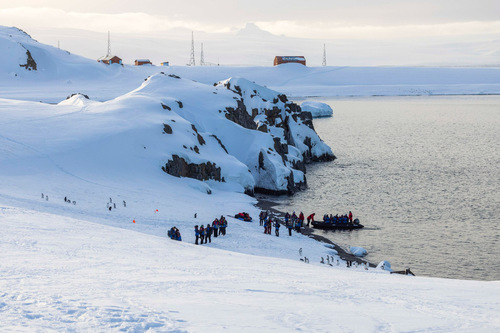
This Earth Day, we’re celebrating the power of people to make a difference. In some of the most remote and rapidly changing places on the planet, our Citizen Science program invites travellers to contribute to globally important research. From tracking whales and seabirds to sampling plankton in icy Antarctic waters, every observation helps scientists better understand and protect these fragile ecosystems. We spoke with our Citizen Science Coordinator, Madi, to uncover what happens behind the scenes and why these shared efforts matter.


About You and Your Role
What is your role as a citizen science coordinator, and what does that involve on expeditions?
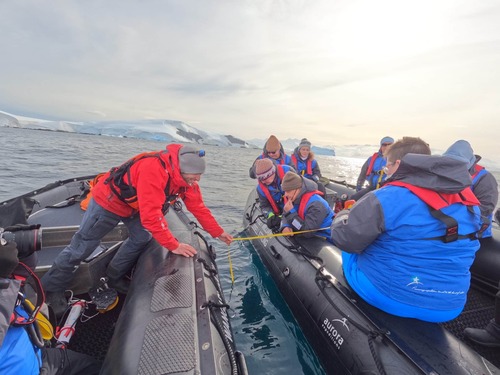
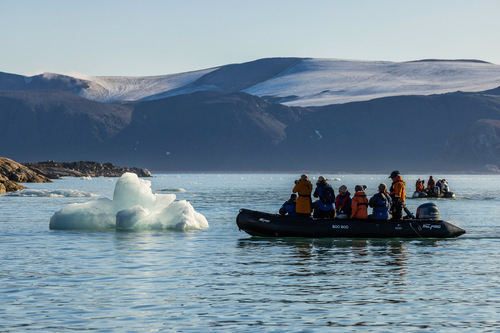
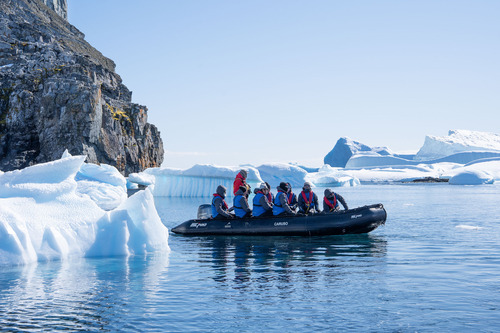
As a citizen science coordinator with Aurora, I act as a bridge between our guests and scientific research. Sometimes, science can seem hard to understand or hard to access, and that is where I come in. From questions, to lectures, to hands-on experiments in the field – being a citizen science coordinator means trying to connect each and every person to the environment in front of them. We travel through remote and untouched ecosystems, which allows us to collect much-needed observations for globally important research projects. Expedition is the perfect format to collect this data both at-sea and onshore, especially from our nimble zodiacs!
What first drew you to working with expedition travel, particularly in the polar regions?
Expedition travel is about experiencing the environment in its raw and unfiltered form. You are constantly surrounded by the pure beauty of nature, in places few people visit. As a life-long adventurer and learner, it is a true pleasure to teach people about history, culture, and nature every day! The polar regions are the epitome of exploration – destinations that humans have dreamt about, written about, and travelled to for centuries. Being able to immerse oneself in the incredible stories, sights, and sounds of these white wonderlands alongside likeminded people is why I can’t get enough!
Science in the Field
What does a typical day look like for you while on expedition?
Onboard, no two days are ever the same! But the objective is usually get off the ship as much as possible! Whether you’re landing or zodiac cruising, a big breakfast from our wonderful restaurant is a must. Next, the E-Team heads down to the mud room to prepare the zodiacs and equipment for the morning operation. Then the adventure begins! You might find me on-shore surveying the plant, animal or bird species, or perhaps taking photographs of snow algae. After a few hours, we return to the ship to ‘defrost’ over lunch! I’m always keeping my eyes out the windows to spot any marine life cruising past the ship as we transit to our afternoon location.
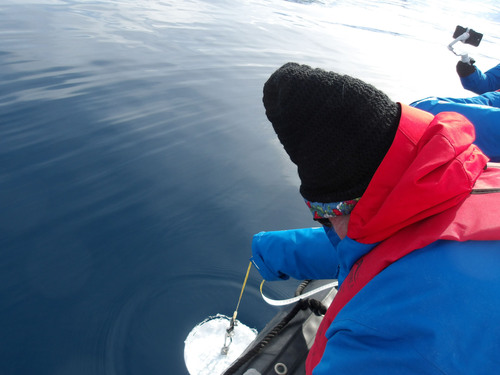
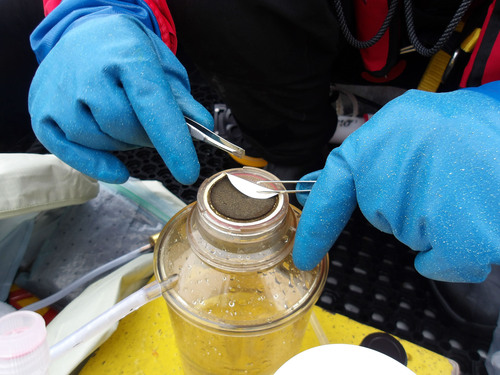
Zodiac operations allow us to do water-based experiments, which I must admit are my favourite! From plankton-tow nets to sample jars to hydrophones, we have a huge range of sampling equipment onboard – sometimes I find it hard to choose which amazing project we will conduct! After a long day outside, you can find me at the nightly recap for any ‘science questions’ left over from our amazing day!
What types of citizen science projects do guests usually take part in?
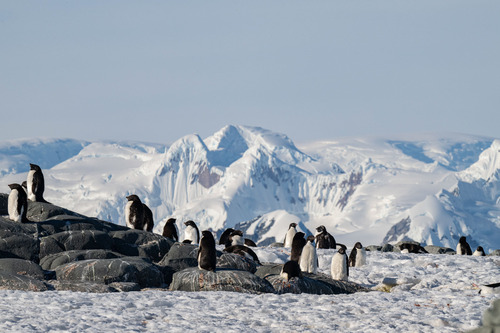
Every project onboard is different, so I like to think we have something for everyone! In Antarctica, we have up to 8 projects operating on any given voyage! There is just so much to learn onboard, from the mighty plankton to the massive blue whale. Our most popular surveys are interactive, especially when they require binoculars in your hands! We host many bird enthusiasts who attend every eBird survey without fail to view the unique indigenous species of these remote locations.
When we announce a whale or dolphin near the ship, everyone excitedly goes outside to capture that ‘perfect shot’ to identify and track a whale using HappyWhale. Or perhaps scanning the seas around South Georgia to spot rafts of seaweed, potentially bringing alien (species) invaders. I promise you will love all of our projects – just take my word for it!
What is one thing travellers are often surprised to learn once they get involved in the science?
As a scientist, I always try to look at the whole biological picture. To have the great whales swimming around the sea, we also have to study and protect the tiniest beings in the oceans. There is only one thing I love talking about as much as whales, and that is plankton! I think people are most surprised to learn about these tiny, green work-horses of the sea, and just how much everything in these ecosystems hinges on their presence!

Why It Matters
Why is citizen science especially important in places like the Arctic and Antarctica?
Citizen science, and empowering the general public to contribute to science, is one of the greatest tools used by modern science. These kind of projects allow scientists to collect data from across the globe, at all times of day, in all kinds of conditions without having to venture there themselves. This is incredibly important for polar regions, which are inherently hard to access. By participating in these projects, you are giving back to the environment you are travelling through and ensuring we monitor and learn about the changes occurring there.
The polar regions represent the ‘canary in the coalmine’ – some of the fastest changing places on Earth. We must act as custodians of these regions, and champion the ongoing research in these pristine, yet shifting ecosystems – one citizen science observation at a time.
Can you share a moment that really captured the impact of citizen science for you?
Onboard in Antarctica, Aurora partners with a plankton-focused citizen project called FjordPhyto. This is a great project that does a lot of hands-on sampling - imagine nets, filters, test tubes, collection jars, the whole science package!
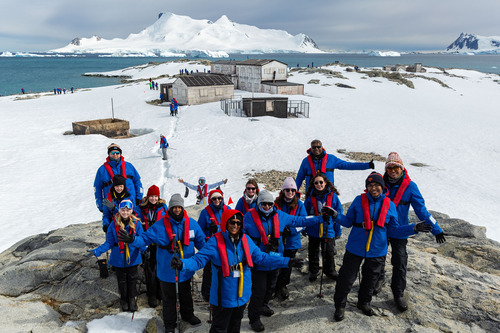
At the completion of the 2025 season, I was tasked with delivering a season’s worth of field samples from the Greg Mortimer to the researchers in Ushuaia. Packing away each and every test tube and water sample, made me think of how many people it took to make this science happen. Countless zodiac cruises, with guests from all over the world conducting sampling, led by incredible E-Team. These test tubes represented the collective effort, knowledge, and care of hundreds of people. To me, that is what makes science so special – humans coming together for the greater good.


Reflection for Earth Day
After spending time in such remote and changing environments, what gives you hope about the future of our planet?
Like I’ve mentioned previously, science is about people coming together. The best part of my job is meeting people from every walk of life, and exchanging knowledge and stories. I love seeing the wonder in the eyes of those around me as they see these incredible destinations for the first time. Particularly for the polar regions, learning what makes them so unique and one-of-a-kind changes how people view the world. People learn to care about the environment in a deep and almost transformative way seldom experienced before. If people find the passion within themselves, we can unite and invoke amazing amounts of change.
I hope these cruises inspire people to continue to seek science in their lives, and champion the environments they travelled through in a positive and change-making way.
What would you say to someone considering joining an expedition and taking part in citizen science for the first time?
Expedition is so much more than travel, it’s an eye-opening experience beyond the Facebook pictures! Your days are guided by knowledgeable experts with incredible tales of remote and wild places. You’re dining and chatting with people from all around the globe. And you have the opportunity to contribute to some of the most important and pioneering scientific research being undertaken! I say jump in head first; ask every question, attend all the citizen science surveys, and see the world through new eyes. It might just be the best thing you ever do.


About Madi
Madi is an Australian-based expedition guide and PhD researcher. Her research focuses on humpback whale communication and movement ecology. Madi takes her passion for the marine environment across the globe on expedition cruises. Her favourite destination, Antarctica, is the perfect backdrop to share her research, knowledge, and love for science.