
These seals are generally shy and cautious, despite often living near human-populated coastlines. They spend much of their time in the water, where they are usually solitary while foraging. Their apparent sociability is mostly observed when they are hauled out on land, though even then adults tend to avoid physical contact with one another.
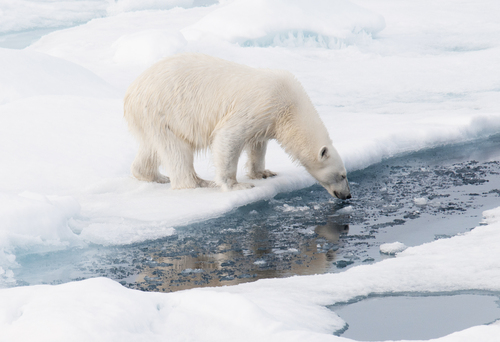
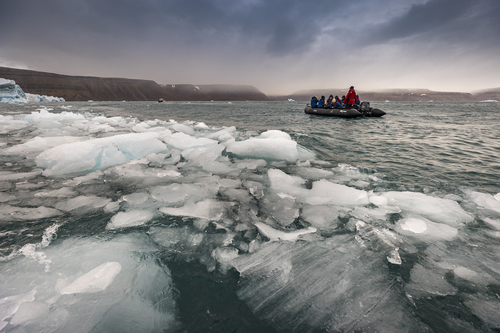
They haul out onto rocks, beaches, sandbars, islands, and ice (in Arctic regions) for resting, thermoregulation, moulting, and protection from predators. In areas where predators such as orcas are present, harbour seals may increase haul-out behaviour as a defensive response. While hauled out, adults maintain personal space, whereas younger seals may interact along the edges of the group but generally keep away from adults.
The Harbour seals remain close to water when hauled out, allowing for quick escape if threatened. Their behaviour reflects a balance between energy conservation, predator avoidance, and access to feeding areas, making them well adapted to a wide range of coastal environments.