 Call to book
Also known as the Imperial Shag, Blue-eyed Shag, or King Cormorant, the Antarctic Shag is the only cormorant species found on the Antarctic continent, easily identified by its glossy black upperparts, white underside, and the vivid blue ring of skin encircling each eye. A distinctive yellow, warty growth sits above the bill, becoming more pronounced during the breeding season. Unlike most cormorants, dense waterproof under-plumage means the Antarctic Shag doesn't need to dry its wings after diving, a key adaptation for life in the freezing waters around the Peninsula.
Diet and Behaviour
Antarctic Shags feed mainly on fish, along with crustaceans, octopuses, and other invertebrates, diving to an average depth of 25 metres and capable of reaching up to 60 metres, staying submerged for as long as four minutes at a time. They often fish cooperatively in groups known as rafts, sometimes numbering in the hundreds, working together to herd fish into easier reach. Antarctic Shags are sedentary rather than migratory, staying close to their coastal breeding sites year-round and only shifting short distances in winter to find ice-free waters. Their habit of never straying far from land made them a reassuring sight for early polar explorers, a sign that shore was near.
Breeding Cycle
Antarctic Shags are monogamous and nest in colonies on cliffs, rocky slopes, and outcrops, building nests from grass and seaweed cemented together with mud and guano. Pairs lay up to five eggs each season, incubated for around five weeks, and unlike most other Antarctic seabirds, chicks hatch without any protective down, leaving them especially dependent on their parents for warmth in the first few weeks of life. Both parents care for the chicks until they fledge at around seven weeks old, though losses to predation by skuas and sheathbills can be significant. Colonies typically remain small, numbering in the hundreds rather than the vast gatherings seen in some penguin or albatross species.

Imperial Cormorant
Antarctica | Credit: Grant Thomas

Blue-Eyed Shag
Antarctica | Credit: David McEown
Featured Antarctic Expeditions
Polar Expedition
Antarctica
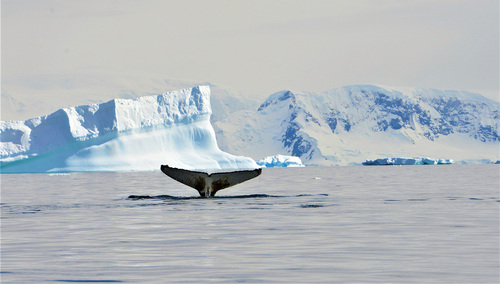
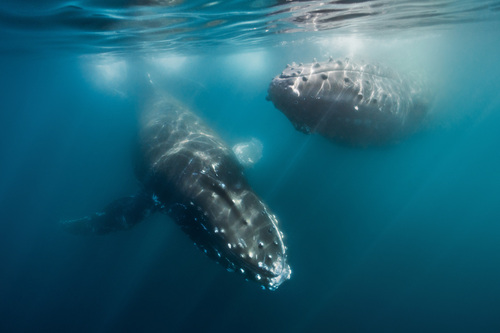
Spirit of Antarctica: Whale Migration
Duration
12 Days
2027 Season
Mar
From CAD
$26,255
$30,888
per person
twin share