 Call to book
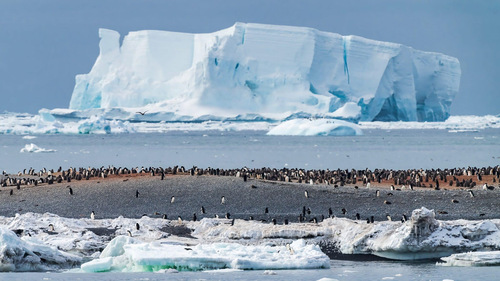
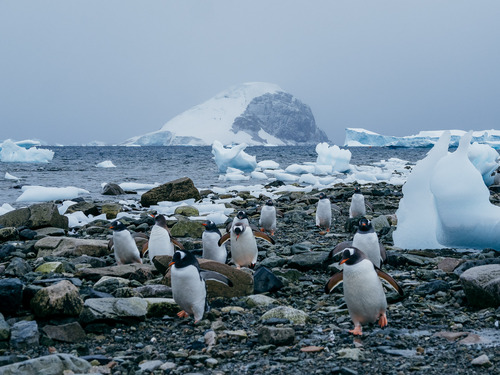
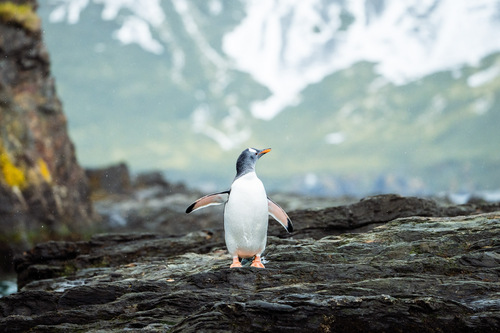
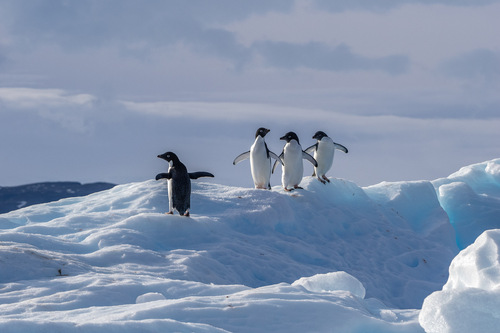
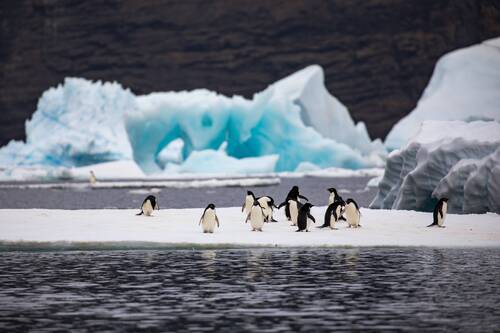
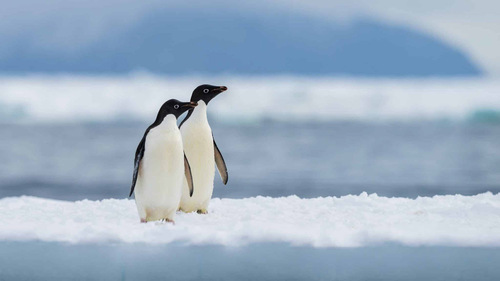
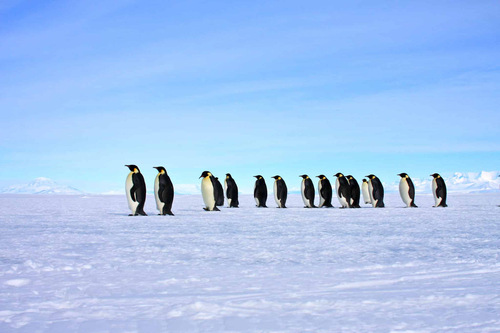
Native to the Antarctic continent and nearby islands, the Adelie penguin is easily recognized by its black head, white eye ring, and contrasting white belly. It is well adapted to extreme cold, with dense feathers and a thick layer of fat that provide insulation in harsh polar conditions. These penguins are one of the most abundant penguin species, with populations numbering in the millions across Antarctica.

Credit: Tyson Mayr

Credit: Lina Stock @ Divergent Travelers
Quick Adelie Penguin Facts
| Scientific name | Pygoscelis Adeliae |
| Length | 46 - 71cm (18 - 28in) |
| Weight | 3.6 – 6kg (8 - 13lbs) |
| Population | 7-8 million individuals |
| Species Conservation Status | Least Concern |
Diet and Behaviour

Adelie Penguin FAQs
Are adelie penguins aggressive?
Bring the smallest of the species of penguin, they look cute and sure..a bit clumsy on land but don't be fooled. They are feisty - known for attacking predators such as seals and large seabirds.
Featured Antarctic Expeditions


Polar Expedition
Antarctica
Antarctica Complete
Duration
23 Days
2026 Season
Dec
2027 Season
Feb, Dec
From USD
$29,321
$39,095
per person
twin share


Polar Expedition
Antarctica
Antarctic Explorer
Duration
10 Days
2028 Season
Jan
From USD
$17,546
$19,495
per person
twin share
Polar Expedition
Antarctica
Ross Sea Odyssey
Duration
26 Days
2026 Season
Dec
From USD
$40,406
$44,895
per person
twin share