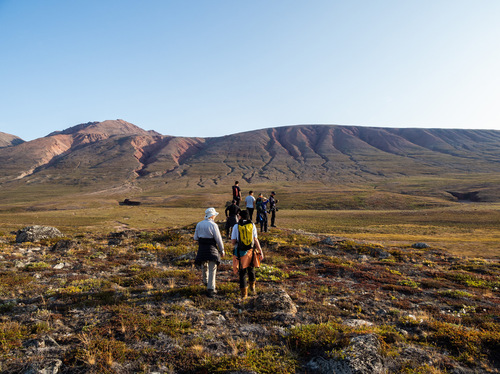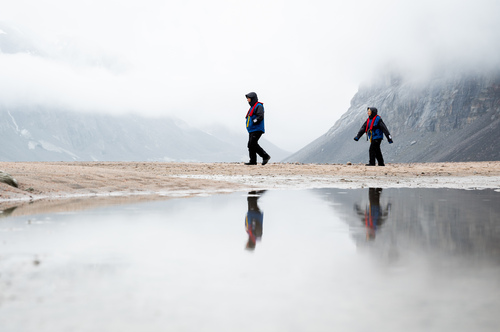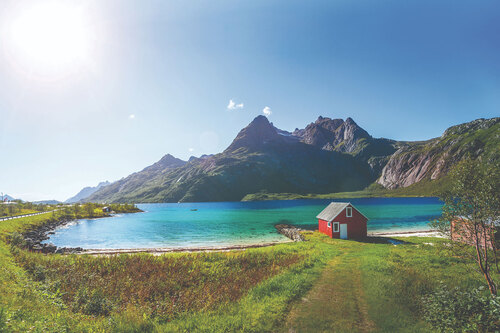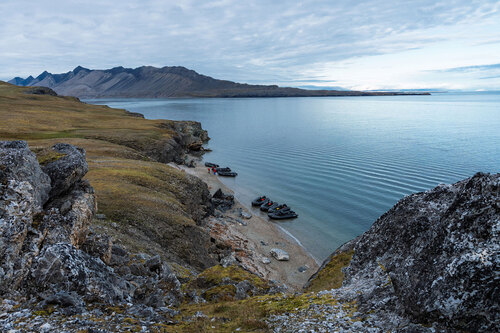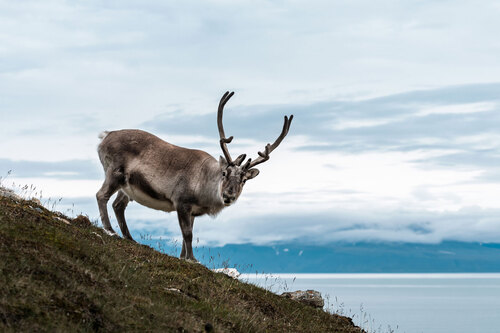
There are few landscapes on Earth as unforgiving as the High Arctic. Temperatures plunge below –50°C, the sun disappears for months at a time, and food can be limited for weeks on end. Yet wander the tundra of northern Canada or Greenland, and you might just catch sight of one of the Arctic's most resilient residents: the Arctic wolf.
Arctic wolves survive in the cold through a combination of physical and behavioural adaptations. Thick white fur, a compact, low-slung build, smaller ears and a shorter muzzle all help conserve heat, while the ability to live off fat stored in the body sees them through when food is scarce. They also live and hunt in wolf packs, leaning on each other to find food and withstand the harshest Arctic conditions.
Let's take a closer look at what makes this extraordinary predator so perfectly built for life at the top of the world.
How Does the Arctic Wolf Adapt to its Environment?
The Arctic wolf is a subspecies of the gray wolf, but thousands of years in one of the planet's harshest environments have shaped it into something more specialised to its habitat. Every part of its biology is adapted for staying alive where almost nothing else can survive.
Thick Fur and Layers of Insulation
One of the most striking and noticeable things about an Arctic wolf is its thick, white coat. A dense underlayer of fur traps warm air close to the skin, while longer guard hairs on top shrug off snow, ice and biting wind. Together, this double coat lets the wolf hold a stable body temperature through even the fiercest polar storms. They may look soft and cuddly, but you definitely don’t want to be getting too close!
Smaller Ears and a Shorter Muzzle
Compared with their southern gray wolf relatives, Arctic wolves are built noticeably differently, with:
- Smaller ears
- A shorter muzzle
- Shorter legs
- A more compact, rounded build
Their more compact build means less surface area is exposed to the cold which results in less heat lost to the environment, and more energy reserved.
A Bright White Coat
That brilliant white fur isn't just for warmth. Against a backdrop of endless snow and ice, it's the perfect disguise, allowing wolves to close in on prey almost unseen.
Surviving Long Periods Without Food
Out on the tundra, a meal is never guaranteed. Arctic wolves have adapted to cope by drawing on fat reserves stored deep in the body, allowing them to go without food for extended stretches when prey is thin on the ground. After a successful hunt, they'll often gorge on large quantities of meat, banking the energy reserves that will carry them through leaner times ahead.
What Do Arctic Wolves Eat?
Arctic wolves are sharp, opportunistic hunters, with a menu that includes:
- Arctic hares
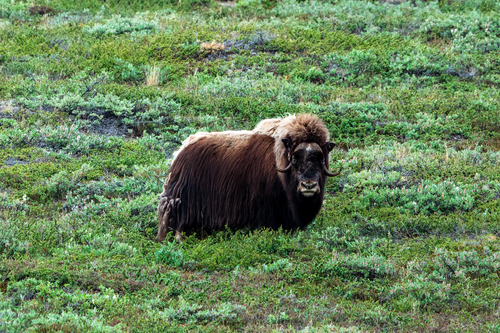
- Musk oxen
- Caribou
- Lemmings
- Arctic birds
The Importance of the Wolf Pack
If there's one secret to Arctic wolf survival, it's teamwork. A pack typically contains an alpha breeding pair, their offspring, and other related wolves, all working together as a tight-knit family.
By sticking together, Arctic wolves are able to:
- Hunt prey far larger than themselves, such as musk oxen
- Defend their territory
- Raise the next generation of pups
- Ride out even the harshest weather
Pack members will often curl up together for warmth and stay in close contact as they range across vast stretches of tundra, a reminder that in the Arctic, strength really does come in numbers.

Where Do Arctic Wolves Live?
Arctic wolves roam some of the most remote and northerly wilderness on the planet, including:
- Northern Canada
- The Canadian Arctic Archipelago
- Greenland
With so little human presence in these regions, packs are free to range across territories exceeding 1,000 square miles in search of food. It's this remoteness that has spared Arctic wolves much of the habitat loss faced by wolf populations elsewhere in the world.
Reproduction and Raising Pups
Spring brings the start of the Arctic wolf breeding season. After a gestation period of around two months, pups are born in dens dug into hillsides or other sheltered spots, safe from the harsh elements.
Raising the next generation is, once again, a job for the whole pack. Adults share the work of guarding the den, bringing back food, and teaching pups the hunting skills they'll need to make it in this demanding landscape, giving each new litter the best possible start in life.
How Does the Arctic Wolf Protect Itself?
Arctic wolves rely on both body and community for protection. Their defences include:
- Safety in numbers, living and travelling as a pack
- Powerful jaws and teeth
- Camouflage from that snow-white coat
- Constant vigilance across the open tundra
As apex predators, healthy adult Arctic wolves have remarkably few natural enemies. Pups are more vulnerable, but the adults of the pack are more than capable of defending their own.
What are the Predators of the Arctic Wolf?
Being at the top of the food chain, adult Arctic wolves face very few natural threats. Occasionally, a polar bear may kill a wolf, or rival packs may clash over territory or prey. However, the wolves' greatest daily challenge isn't avoiding predators but finding their next meal in such a demanding landscape.
Are Arctic Wolves Endangered?
The good news: Arctic wolves are not currently considered endangered. Their remote northern range and minimal contact with humans have helped keep populations relatively stable compared with many other wolf populations worldwide. Even so, scientists continue to keep a close watch on the Arctic's fragile ecosystems as climate change reshapes habitats, sea ice and, the availability of prey.
Do Arctic Wolves Migrate?
Unlike the great seasonal journeys of Arctic birds or marine mammals, Arctic wolves don't migrate in the traditional sense. Instead, they roam extensively within their home territory, following prey as it moves across the tundra. Despite being able to cover astonishing distances over the course of a year, packs typically remain within an established range, where they are familiar with the landscape thereby giving them a survival advantage.

How Fast Can an Arctic Wolf Run?
Arctic wolves can reach speeds of around 64 km/h (40 mph) over short bursts in pursuit of prey. Their stamina is just as impressive, allowing them to cover vast distances across snow and ice.
Built for Life in the Arctic
The Arctic wolf is one of nature's true survivors and proof that even the harshest corners of our planet can be habitable with the right adaptations and a little help from your pack. From their insulating coat and compact frame to their ability to hunt as a team and live off stored fat through the leanest months, this is an animal shaped entirely by its wild surroundings.
For those who venture into the High Arctic, spotting one of these elusive predators provides a fleeting glimpse into one of the last truly wild places left on Earth and a reminder of just how remarkable life at the poles can be.
FAQs About Arctic Wolves
Are Arctic wolves dangerous?
They're wild predators and always deserve a healthy respect, but given how remote their territory is, encounters with humans are extremely rare.
How cold is too cold for wolves?
Arctic wolves can withstand temperatures well below –50°C, thanks to their insulating coat and heat-conserving body shape.
How much does an Arctic wolf weigh?
Adult Arctic wolves typically weigh between 35 and 70 kg (77–154 lb), with males generally larger than females.
How tall is an Arctic wolf?
They usually stand around 63–79 cm (25–31 in) at the shoulder.
What do Arctic wolves need to survive?
Food, shelter, the support of the pack, and their remarkable adaptations such as thick fur, a compact build and stored body fat all play their part.
What is a baby Arctic wolf called?
A pup.
What is the Arctic wolf habitat?
Arctic wolves live across the Arctic tundra of northern Canada and Greenland, a landscape shaped by snow, ice and permafrost.