From their unmistakable waddles to their surprising survival skills, penguins in Antarctica have captured our hearts and curiosity for generations. Today, we’re embracing the joy, wonder and importance of these remarkable birds, while highlighting why protecting them has never been more important.
Whether you’re here for fun facts about penguins in Antarctica, curious about what kind of penguins live in Antarctica, or simply looking for a reason to smile, read on — this day is all about penguin appreciation.
Penguin Species of Antarctica
Although there are 18 known penguin species, these are six common types of penguins in Antarctica that breed on the continent or nearby islands:
Emperor Penguin
The largest of all penguins, emperor penguins can reach up to 1.3 metres (4.3ft) tall. They mainly eat fish, krill and squid and are extraordinary divers. They can plunge more than 500 metres (1640 ft) deep and hold their breath for over 20 minutes!
King Penguin
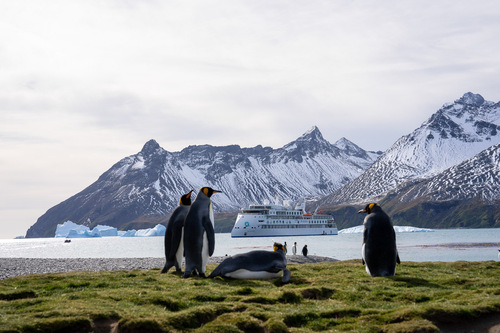
Although at first glance King penguins may look similar to Emperor penguins, Kings are shorter and slimmer, reaching heights of around 90 – 100 centimetres (35 - 40 in). They are a sub‑Antarctic species, meaning they do not breed on the Antarctic continent itself, instead nesting on islands of the Southern Ocean. With their vivid orange‑yellow markings, King penguins are a favourite sight on nearby islands such as South Georgia and the Falklands.
Adélie Penguin
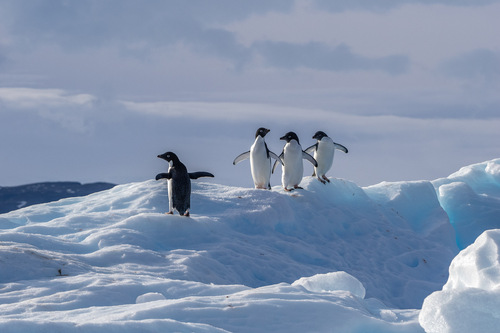
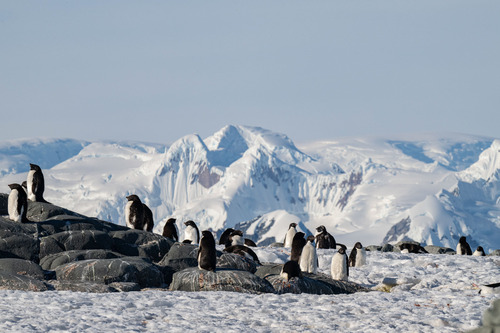
Energetic, curious and found all around the Antarctic coast, Adélie penguins are known for their confidence. They’ve been observed charging at much larger animals (and even scientists) with absolutely no hesitation and cheekily stealing pebbles from neighbouring nests.
Chinstrap Penguin
Named for the thin black line under their chin, Chinstrap penguins are almost exclusively eat krill, making them highly sensitive to changes in ocean conditions. They are surprisingly agile and often build their nests high on steep, rocky slopes, expertly hopping and climbing in precarious terrain.
Gentoo Penguin
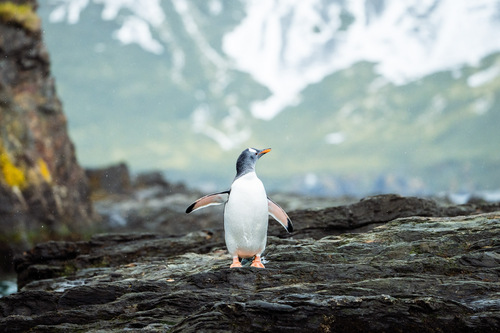
Recognised by their bright orange bills and white head stripe, Gentoo penguins enjoy a varied diet of krill, fish and squid, which helps them adapt to different environments. They’re the fastest‑swimming penguin species, reaching speeds of up to 36km/h (22mph).
Macaroni Penguin
Mostly subantarctic, Macaroni penguins feed on krill and small crustaceans, travelling long distances to forage at sea. Despite their small size, macaroni penguins can travel over 100 kilometres (62 miles) on a single foraging trip.
Penguins and a Changing Antarctica
While penguins are hardy and well‑adapted, not all news is cheerful. Recently, Emperor penguins have been identified as endangered penguins in Antarctica, largely due to climate‑related habitat changes.
Emperor penguins rely on stable sea ice to breed and raise chicks. However, rising temperatures are causing sea ice to form later and break up earlier, sometimes before chicks are ready to survive on their own. This disruption has already affected breeding success in several colonies.
Because penguins sit near the top of the Antarctic food web, changes to their populations tell us a lot about what’s happening beneath the surface. In many ways, penguins act as early warning indicators for the health of Antarctic ecosystems.
Why Penguin Conservation Matters
Penguins depend on healthy oceans, abundant krill, stable sea ice and balanced food chains. When those systems change, penguins are among the first to feel it.
Conservation efforts help monitor penguin populations, track changes in breeding colonies, regulate fishing and better understand how climate change is reshaping Antarctica. The more we learn, the better equipped we are to protect these birds for future generations.
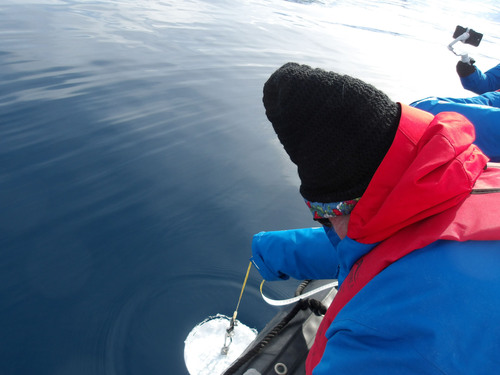
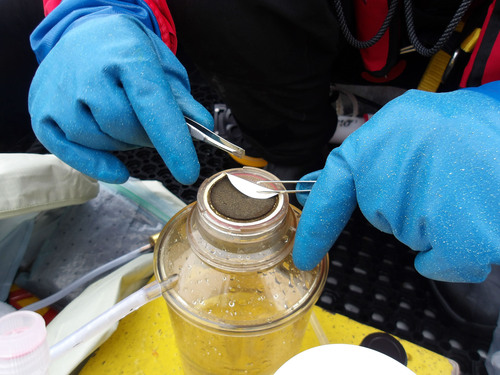
On expeditions and scientific voyages, penguins are often part of Citizen Science surveys where they are counted, photographed and carefully observed. These observations help researchers monitor endangered penguins in Antarctica and identify long‑term trends across the polar regions.
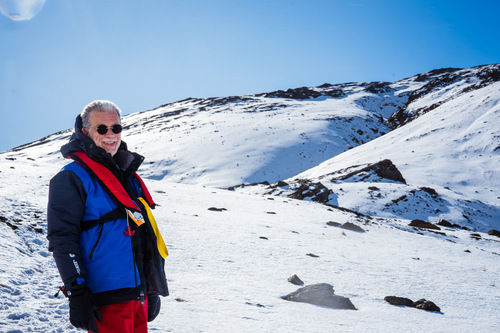
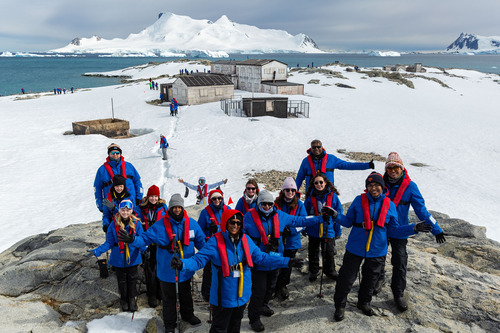
For many travellers, encountering penguins in Antarctica is a once‑in‑a‑lifetime experience, often reshaping how we see the interconnectivity of ecosystems and our place within it.


A Future Worth Waddling Towards
From emperors braving Antarctic winters to gentoos racing along rocky shores, all types of penguins in Antarctica have stories worth celebrating and safeguarding. This World Penguin Day, we’re cheering them on, learning from their resilience and recommitting to the protection of the icy world they call home.
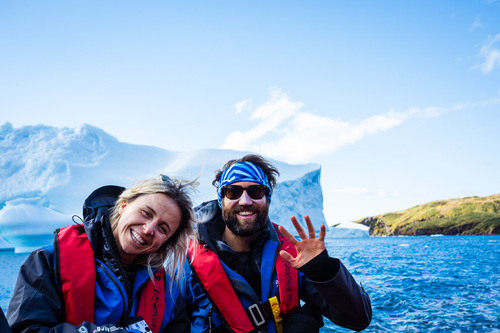
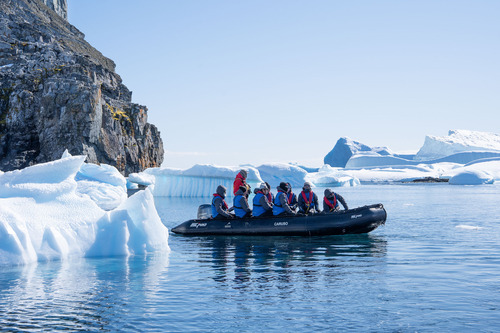
For those who journey south, an expedition offers the chance to witness penguins where they belong and learn about the delicate balance of life in Antarctica. Experiences like these deepen our connection to this remarkable place and reinforce why it deserves care and respect.
The future of Antarctica begins with understanding, curiosity and a shared sense of stewardship for the planet that both we and penguins call home.