Call to book

Chinstrap Penguin

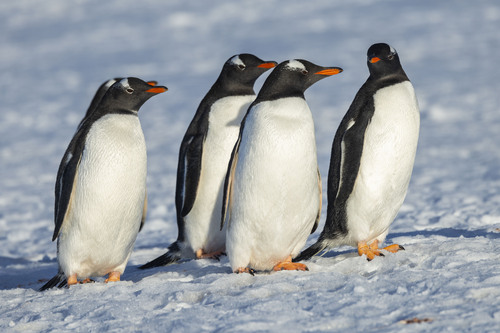
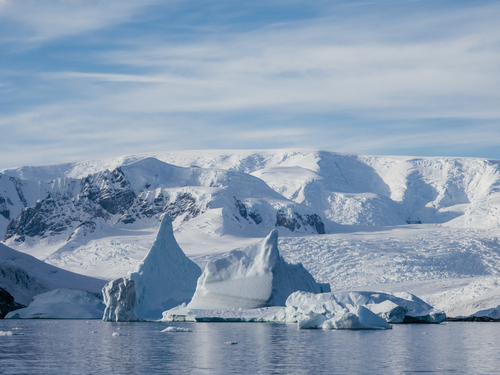
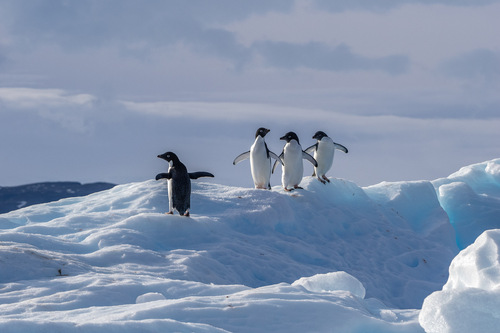
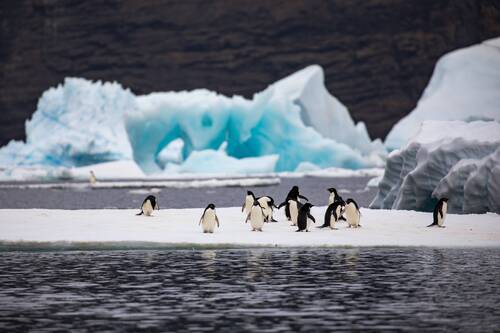
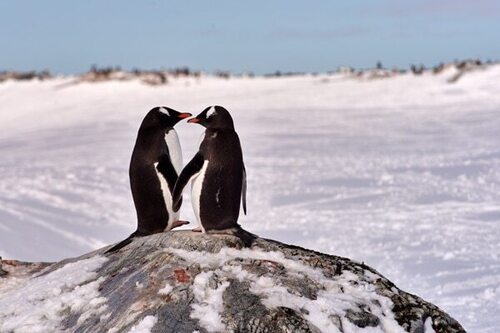
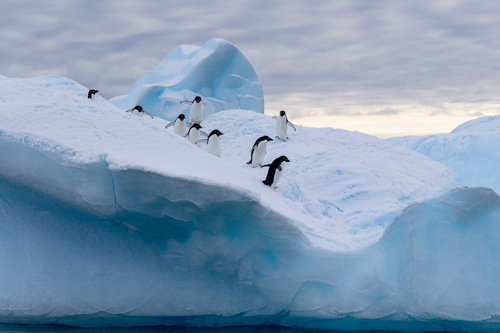
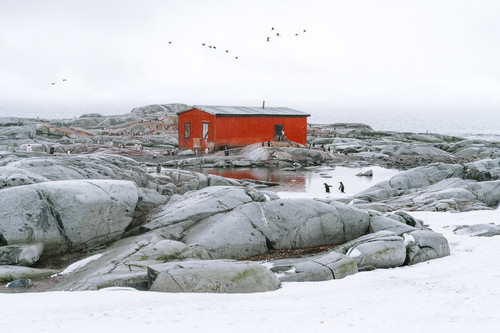
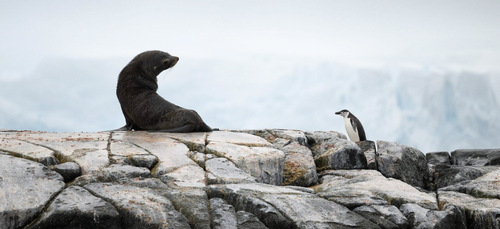
The Chinstrap penguin is easily recognized by the thin black band that runs under its chin, giving the species its common name. They are found primarily in the Antarctic and subantarctic regions, especially on rocky, ice-free coastlines and islands such as the South Sandwich Islands, South Orkney Islands, and Antarctic Peninsula. They are among the most numerous penguin species in the world, and while their global population remains large, environmental changes in their icy southern habitats have made them an important species for scientific monitoring.

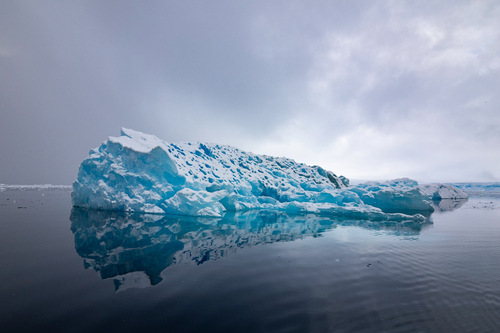
Credit: Stas Zakharov
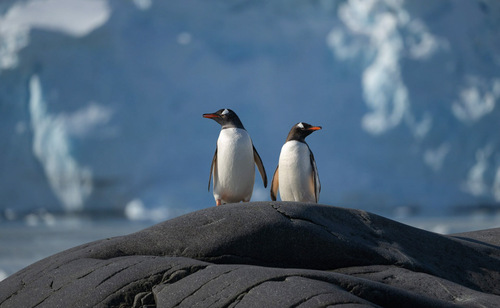
Credit: Fiona Wardle

Quick Chinstrap Penguin Facts

Scientific name Pygoscelis Antarcticus
Height68 - 76cm (27 -30in)
Weight
3.2 - 5.3kg (7.1 - 11.7lb)
Population
8 million individuals 
Species Conservation Status
Least Concern 

Diet and Behaviour

Chinstrap penguins primarily feed on small marine organisms, with krill making up the majority of their diet, along with fish and squid when available. They are agile and powerful swimmers, capable of diving deep and navigating icy waters with ease while foraging. They are highly social and often gather in very large, noisy colonies where constant vocalisations help individuals recognise one another. They are known for being energetic and assertive, both on land and in the water, frequently displaying bold movements and strong interactions as they move across rocky terrain or swim in groups through the Southern Ocean.


Breeding Cycle 

Their breeding cycle takes place during the Antarctic summer, when conditions are least harsh. They nest on ice-free, rocky ground, where pairs build simple nests from small stones. After laying eggs, both parents share incubation duties, taking turns keeping the eggs warm while the other forages. Once the chicks hatch, they are closely guarded and kept warm by the parents before gradually becoming more independent as they grow and develop feathers.