Named in honour of Australia’s most famous polar explorer, the ship continues Sir Douglas Mawson’s spirit of curiosity, courage, and respect for the natural world.
Starting a New Era With A New Ship
In November, the Douglas Mawson arrived in Australian waters, marking a proud moment for Aurora Expeditions. Following a naming ceremony in Sydney Harbour, our newest small ship then set sail for Tasmania on her inaugural voyage - making history as the very first X-Bow® vessel to operate in Australian waters and ushering in a new era of sustainable, comfortable, and pioneering expedition cruising right here at home.
For Aurora, this is more than a milestone. It’s the continuation of our long tradition of breaking boundaries in exploration, from the icy frontiers of Antarctica to the most remote corners of the globe.
While the X-Bow® is one of its most striking features, the Douglas Mawson is built from bow to stern for discovery, this unique bow design also allows for more space inside, meaning more spaces to relax, learn and prepare for discovery. Purpose-built for small-ship expeditions, the vessel carries just 154 guests across 8 decks, with 86 comfortable cabins and suites.
Quicks Facts on the Douglas Mawson
| Capacity | 154 Passenger Max (130 on expedition) |
| Year Built | 2025 |
| No. Of Cabins | 86 |
| Length | 104.4 m |
| No. Of Decks | 8 |
| Speed | 10 - 12 knots |

The Douglas Mawson's First Journey
Mammal & Reptile Sightings
Mammals
Reptiles
The most impressive reptile we came across was the Copperhead Snake, named for its distinctive copper-colored head and hourglass-shaped dark bands along a tan to reddish-brown body, providing excellent camouflage. Copperheads inhabit a wide range of environments, including deciduous forests, rocky hillsides, wetlands, riverbanks, and even suburban woodlands, demonstrating a high level of adaptability. They are primarily ambush predators, feeding on small mammals, amphibians, insects, and other reptiles, and play an important role in controlling prey populations. Although venomous, copperheads are generally non-aggressive and rely on camouflage to avoid detection, biting mainly when threatened or accidentally encountered.
Onboard highlights include:
- A Citizen Science Centre with space for lectures, research, and citizen science programs.
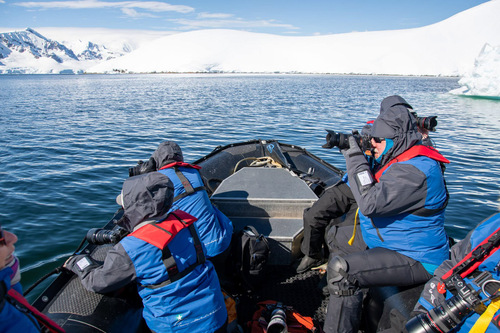
- A Dedicated mudroom and Zodiac access for seamless shore landings.
- A state-of-the-art lecture theatre to learn from our world-class Expedition Team.
- Sustainability features, including advanced wastewater treatment and reduced fuel consumption.