 Call to book
From powerful polar bears roaming the pack ice to nimble Arctic foxes and resilient reindeer, the mammals of the Arctic have evolved to thrive in one of the planet’s harshest environments. These remarkable creatures rely on thick fur, layers of fat, and extraordinary hunting or foraging instincts to survive the long, frozen winters and fleeting summers of abundance.
Animals You Might Encounter In the Arctic
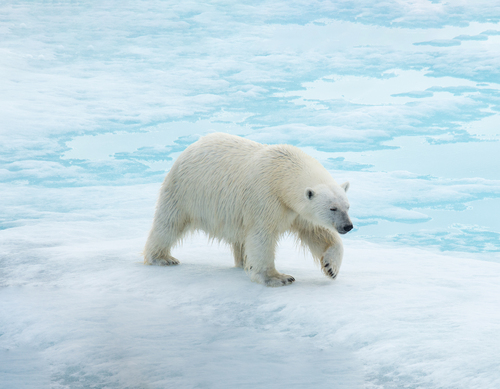
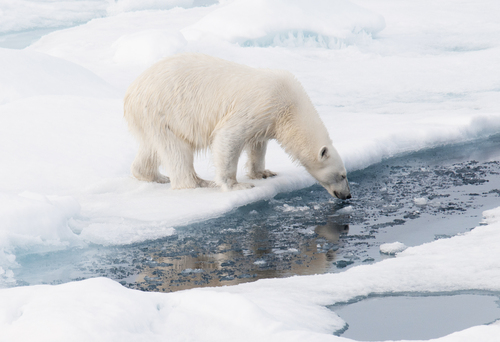
Polar Bears
Powerful, intelligent, and superbly adapted to life on the ice, the polar bear is the undisputed ruler of the Arctic. These iconic mammals depend on sea ice to hunt seals, raise their cubs, and traverse the frozen seascape.
Musk Oxen
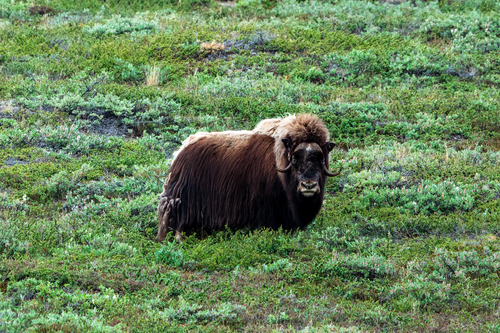
The musk ox is one of the most iconic and truly Arctic land mammals, a survivor from the last Ice Age whose appearance and adaptations reflect its ancient origins.
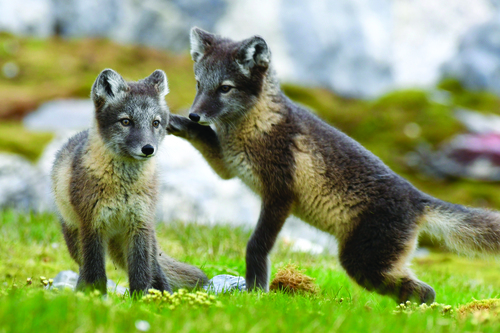
Arctic Fox
The Arctic fox is significant as a key predator and scavenger in Arctic ecosystems, helping regulate prey populations such as lemmings and recycling nutrients by feeding on carrion. It is is a small, cold-adapted predator, recognised for its thick fur that changes from white in winter to brown or grey in summer.
Svalbard Reindeer
The Svalbard reindeer is the only large land mammal native to Svalbard and a key grazer that shapes fragile Arctic tundra ecosystems. It is specially adapted to extreme conditions, with a compact body, thick winter coat, minimal migration, and the ability to survive long winters with very limited food.
Walrus
Walruses help shape seafloor communities through its bottom-feeding behaviour. It also holds strong cultural importance for Indigenous Arctic peoples and serves as an indicator of sea-ice health in a rapidly warming Arctic.
Featured Expeditions
Polar Expedition
Arctic
Svalbard Odyssey
Duration
11 Days
2027 Season
Jun, Jul, Aug
2028 Season
Jun, Jul
From NZD
$28,073
$37,430
per person
twin share