Few journeys capture the imagination quite like Shackleton’s Crossing in South Georgia.
More than a century after Sir Ernest Shackleton, Frank Worsley and Tom Crean crossed the island in 1916 to reach help at Stromness, Aurora Expeditions offers experienced expeditioners the opportunity to attempt a modern-day crossing of this remote alpine landscape — travelling through glaciated mountain terrain, exposed passes and some of the most historically significant wilderness in the polar regions.
For Tarn Pilkington, IFMGA Mountain Guide and Aurora Expeditions’ Alpine Activities Supervisor, Shackleton’s Crossing is one of the most unique alpine experiences Aurora offers.
“Shackleton’s Crossing is not just a hike across South Georgia,” Tarn says. “It is a genuine expedition-style crossing through glaciated mountain terrain, following a route linked to one of the greatest survival stories in polar history.”
Tarn has spent 22 years with Aurora Expeditions and first began visiting Antarctica in 1994. His first voyage to South Georgia was in 2010 — a journey he describes as one that leaves a lifelong impression.
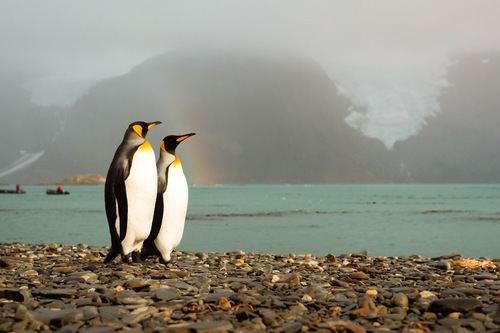
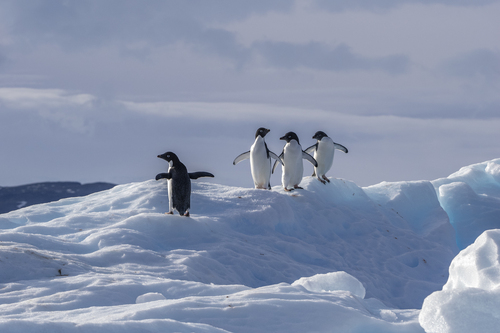
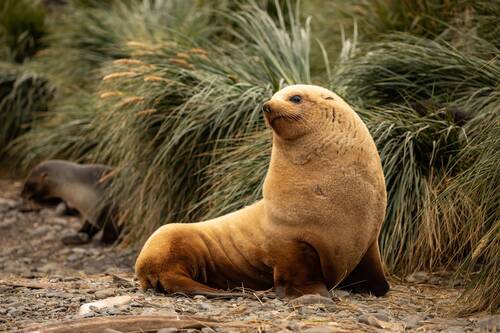
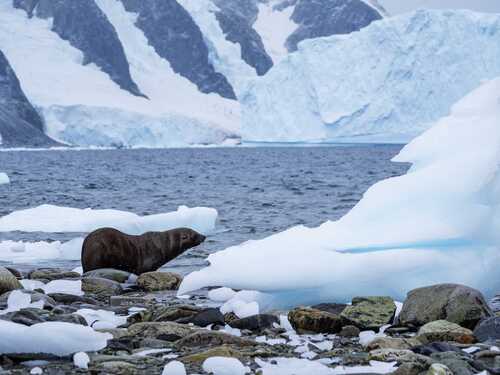
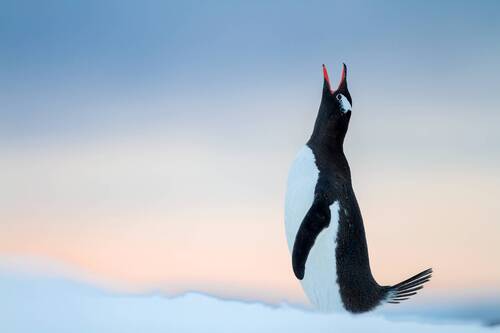
“South Georgia is a unique island with huge glaciated mountains and beaches with incredible numbers of seals, penguins and seabirds,” he says. “That first voyage is always the most memorable.”
Since then, Tarn has completed nine voyages to South Georgia and made eight attempts at Shackleton’s Crossing, with four successful full crossings, three partial crossings and one voyage where conditions meant the crossing could not begin.
For Tarn, those numbers tell an important story: Shackleton’s Crossing is never guaranteed. It is a genuine expedition attempt, shaped by weather, glacier conditions, group readiness and safety decisions made in the field.


A crossing shaped by history
The original 1916 crossing remains one of the most extraordinary stories of survival and leadership in polar exploration. After the loss of Endurance, Shackleton, Worsley and Crean reached South Georgia after surviving months in polar conditions and navigating across the Scotia Sea from Elephant Island. From there, they traversed the island from King Haakon Bay to Stromness in a single push of around 36 hours.
For Tarn, guiding in that same landscape brings the scale of their achievement into sharp focus.
“It was an incredible feat on many levels,” he says. “They had only a map drawn from memory, but still successfully traversed from King Haakon to Stromness in one single push. It is not a technical route by modern standards and is relatively straightforward in good weather. But given its changeable and extreme weather, we are always mindful and respectful of the potential challenges.”
That combination of historical significance and serious alpine terrain is what makes the crossing so powerful. Expeditioners are not recreating Shackleton’s hardship, but moving through the landscape with a deeper understanding of the environment, the weather and the decisions that defined the original journey.
A serious alpine undertaking
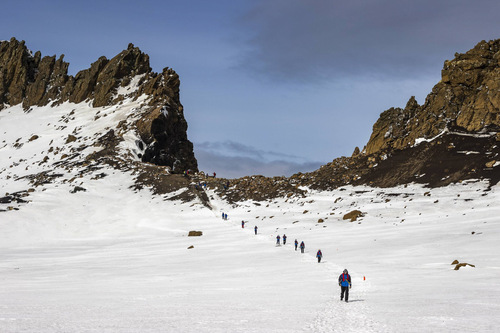
Shackleton’s Crossing traditionally travels from King Haakon Bay towards Stromness, crossing alpine passes, glaciers and remote mountain terrain. Depending on the route and conditions, the crossing can vary from around 35 to 50 kilometres and typically takes two to three days.
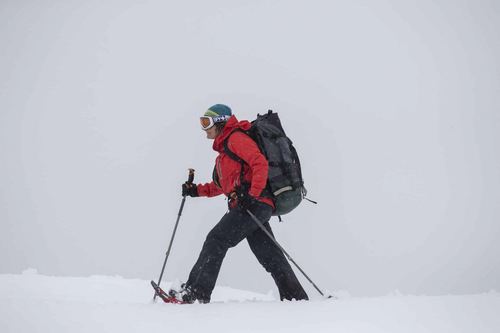
While it is not technical climbing in the traditional sense, it is a serious alpine undertaking. Participants move across heavily crevassed glacier terrain, carry overnight packs and operate in a remote mountain environment where conditions can change quickly.
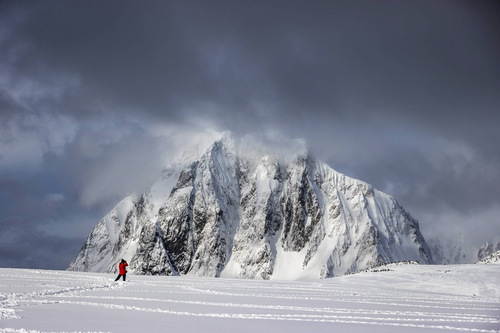
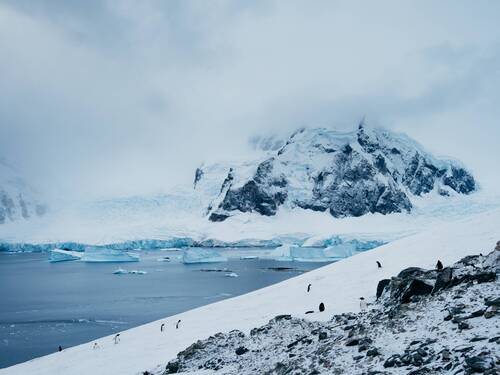
“South Georgia is an extraordinary place for alpine travel,” Tarn says. “The mountains rise straight out of the Southern Ocean, glaciers flow down towards the coast, and the weather is always part of the experience.”
The activity is suited to expeditioners who already have alpine trekking or mountaineering experience. Participants need to be comfortable using crampons and an ice axe, travelling roped-up on glaciers and moving through crevassed terrain. They also need strong fitness and endurance, as days can be long and participants may carry a 15 to 20 kilogram pack.
Just as importantly, Tarn says, they need the right mindset.
“The people who thrive are not always just the strongest or most experienced,” he says. “Fitness and technical skills matter, but mindset is just as important. We are looking for people who can look after themselves, listen to the guides, support the group and stay calm when conditions change.”

The route, the weather and the decision points
Every crossing is different. Weather, snow, ice and group conditions influence the route and timing, and success is never simply a matter of following a fixed itinerary.
Traditionally, the crossing begins at King Haakon Bay and moves towards the Murray Snowfield, before crossing Trident Pass and descending towards the Crean Glacier area. The next stage may involve crossing the Crean Glacier and Fortuna Glacier before descending towards Fortuna Bay. From there, the final section follows the historic route towards Stromness.
For Tarn, the first day from King Haakon Bay towards the Tridents is one of the most memorable sections.
“It is usually the area with the worst weather and can have strong winds and poor visibility,” he says. “Reaching the Tridents is a key point in deciding to continue east towards Fortuna Bay or descend to Possession Bay.”
That decision-making is central to the experience. In good conditions, the crossing may take two days, but Aurora allows up to three days, with contingency planning in place. At times, the safest decision may be to turn around, descend by another route or finish short of Stromness.
“On South Georgia, the weather is always part of the story,” Tarn says. “You can experience sunshine, snow, rain, low visibility and strong winds within the same crossing. Because we are crossing exposed alpine passes and heavily glaciated terrain, wind and visibility are critical.”
Tarn estimates the success rate is around 60 per cent, largely due to weather and glacier conditions.
“That uncertainty is what makes it a genuine expedition rather than a scheduled walk from A to B,” he says. “We always have a plan, but we also have to be ready to adapt.”
Preparing for the crossing
Preparation begins before the voyage. Expeditioners complete an activity form outlining their relevant experience, fitness and alpine skills, which the guiding team reviews carefully. If additional training is recommended, Aurora can refer participants to a Mountain Guide to help build the required skills.
Once onboard, the preparation continues through briefings, equipment checks and, where possible, pre-crossing outings. Tarn says Aurora will usually aim to complete two to three outings on the Antarctic Peninsula, which may include climbing peaks, to help assess group movement, fitness and readiness.
“The best preparation is a combination of fitness training and refreshing alpine skills,” Tarn says. “Long hikes with a weighted pack are very useful, as are hill walking, stair climbing, ski touring or mountaineering.”
Participants should also be comfortable using crampons and an ice axe, practising self-arrest and travelling roped-up on glacier terrain. Snow camping experience is also useful, as the crossing may involve overnight camping in tents or snow shelters.
Tarn’s practical advice is simple: train with the gear you intend to use.
“Continue to build on your current skills by getting out into the mountains and enjoying yourself doing it,” he says. “Make sure you carry heavy packs and use the gear you intend on bringing.”
Small groups, supported by the ship
Shackleton’s Crossing is deliberately small-scale, with up to eight crossers plus guides. Aurora operates with two guides for groups of four to eight participants.
Small groups allow for better communication, safer movement across glacier terrain and a stronger team dynamic. They also create a more personal experience, with each member sharing in the challenges and rewards of the crossing.
The ship also plays a vital role throughout the activity. The captain, expedition leader and crossing guides remain in close communication, monitoring weather, timing and safety considerations.
“That connection between the ship and the alpine team is what makes this kind of activity possible in such a remote location,” Tarn says. “Expeditioners are stepping into a wild mountain environment, but the crossing is supported by a broader expedition operation.”

What to bring
Participants need suitable personal alpine equipment, including mountaineering boots, appropriate alpine clothing, gaiters, a helmet, harness, locking carabiner, head torch, sleeping bag and mat, and an approximately 70-litre pack.
Aurora supplies crampons, ice axes, ropes, snow stakes, ice screws, survival equipment and camping equipment such as tents, stoves and fuel. Participants should also expect to carry a share of the communal equipment.
“One of the key things we emphasise is travelling as lightly as possible, without compromising safety,” Tarn says. “The right gear matters, and boots in particular need to be suitable, comfortable and well worn in before the voyage.”
Reaching Stromness
For many participants, reaching Stromness is an emotional moment. It marks not only the end of a demanding alpine journey, but a connection to a story many have read about for years.
“There are always big smiles and hugs all round,” Tarn says. “For most people, it is the realisation of a long-term dream — often begun with reading Shackleton’s account.”
But Tarn is clear that success is not measured only by reaching the end point.
“I think the most important thing to understand is that it is not a tick-box activity,” he says. “It is a real expedition attempt in a wild alpine environment.”
The weather, terrain and safety considerations ultimately determine what is possible. That unpredictability is not a limitation — it is part of what makes the experience authentic.
“Participants are not just following an itinerary,” Tarn says. “They are joining a small expedition team, and patience, flexibility and teamwork matter just as much as fitness.”

A rare alpine journey
There are few alpine experiences that combine expedition travel, polar history and true wilderness in the way Shackleton’s Crossing does.
In a traditional alpine environment, travellers might drive to a trailhead or begin from a mountain hut. In South Georgia, expeditioners arrive by ship, prepare onboard and then step into a remote mountain landscape connected to one of the great polar stories.
“South Georgia feels both wild and historic,” Tarn says. “That combination is what makes the crossing so special.”
For those with the right experience, fitness and mindset, Shackleton’s Crossing offers far more than a physical challenge. It is a chance to move through one of the world’s most remote alpine landscapes, following in the footsteps of one of polar history’s most remarkable survival stories.
As Tarn puts it: “The people who get the most from the crossing are those who understand that the attempt is the adventure.”