 Call to book
More Than an Apex Predator
Often known as the "killer whale", orcas are actually the largest member of the dolphin family. They are among the ocean's most intelligent animals, living in close-knit family groups called pods where cooperation and communication are key to survival.
Orcas work together to hunt with remarkable precision, using sophisticated strategies that are learned rather than instinctive. Young orcas spend years observing older members of the pod, inheriting hunting techniques, communication styles and behaviours that have been passed down through generations. It's one of the many reasons scientists believe orcas possess a form of culture rarely seen in the animal kingdom.
Antarctica's Extraordinary Orcas
While orcas can be found in every ocean, Antarctica offers a fascinating glimpse into just how adaptable these marine mammals are.
Scientists have identified four distinct Antarctic orca ecotypes, each with its own preferred prey, habitat and behaviours. One of the most remarkable is the Type B orca, renowned for its extraordinary wave-washing hunting technique. Working together, pods create waves powerful enough to wash seals from floating ice floes—a remarkable demonstration of teamwork, intelligence and trust.
It's behaviours like these that continue to inspire researchers and make Antarctica one of the world's most exciting places to observe orcas in the wild.
Five Fascinating Facts About Orcas
- They're the largest member of the dolphin family. Despite being commonly known as killer whales, orcas are actually the world's largest dolphin.
- Their name tells a story. "Killer whale" is believed to have originated from the term "whale killer", inspired by early sailors who saw orcas hunting large whales.
- Family comes first. Orcas remain with their pods for life, forming some of the strongest family bonds in the animal kingdom.
- Every pod has its own dialect. Different family groups communicate using unique vocalisations that are passed from generation to generation.
- Grandmothers lead the way. Older females continue guiding their pods long after they've stopped reproducing, sharing valuable knowledge that helps the family survive.

Orca (Killer Whale)
Alaska | Credit: Liz Gifford
Celebrating World Orca Day
World Orca Day is an opportunity to celebrate not only these remarkable marine mammals, but also the wild places they call home.
For more than 30 years, Aurora Expeditions has been exploring the remote waters of Antarctica, creating opportunities for travellers to connect with extraordinary wildlife in one of the world's last great wildernesses. Seeing a pod of orcas surface against a backdrop of glaciers and sea ice is more than a wildlife encounter—it's a powerful reminder of the beauty, intelligence and resilience of the natural world.
This World Orca Day, we celebrate one of Antarctica's most remarkable marine mammals and the unforgettable moments that make every expedition so special.
Featured Expeditions
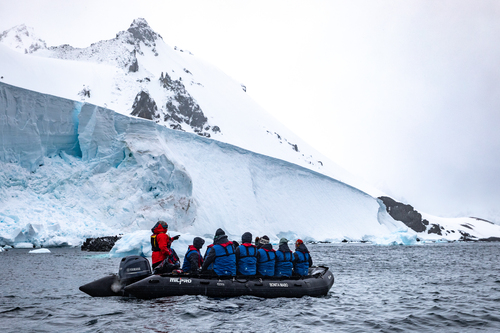
Polar Expedition
Antarctica
Spirit of Antarctica
Duration
11 Days
2026 Season
Dec
2027 Season
Feb, Nov, Dec
From NZD
$28,505
$33,535
per person
twin share